
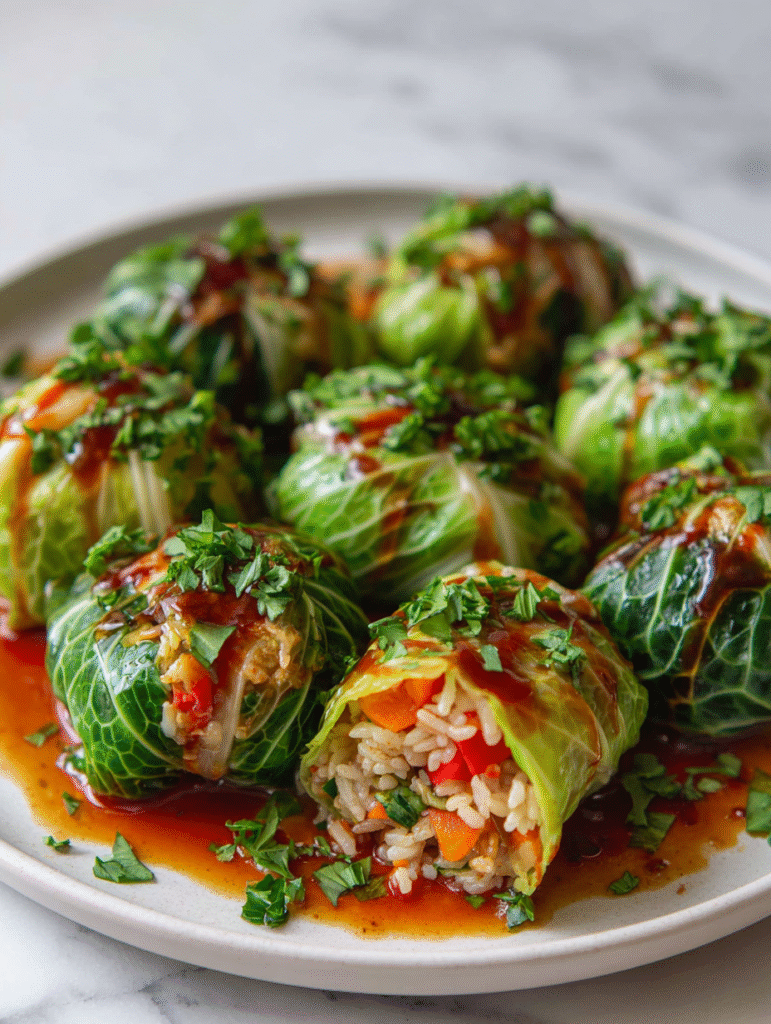
Growing up, I’d watch my grandma roll cabbage leaves stuffed with a bubbling mix of rice and savory spices. That aroma curling through the kitchen was pure magic, even if I didn’t quite understand all the ingredients back then. When I went vegan, I realized I could keep that nostalgic warmth alive, just with plant-based ingredients that honor the old flavors but skip the animal products.
Reimagining those familiar cabbage rolls in a vegan style felt like reconnecting with a childhood memory while giving it a fresh, compassionate twist. It’s about that moment when you peel back the leaf and find a tender, flavorful filling that’s both satisfying and honest. This dish isn’t just comfort food; it’s a quiet act of reclaiming tradition, one rolled cabbage at a time.
Focusing on the nostalgic comfort of childhood family dinners, this vegan cabbage rolls recipe reimagines a classic with plant-based ingredients, bringing together the warmth of traditional flavors with modern compassion. It’s about reclaiming familiar tastes in a way that feels honest and unpolished, like cooking with a story in mind.
Rediscovering Family Classics
- Making these cabbage rolls felt like hugging a childhood memory, warm and familiar yet entirely new in my own kitchen.
- There’s a quiet pride in pulling off a vegan version that’s just as hearty and satisfying as the meat-filled classics I grew up with.
- I love how the gentle aroma of simmering cabbage and spices fills the house, tugging at my nostalgia in the best way.
- Each roll I pack feels like a small act of rebellion against the standard, a way to honor tradition without compromise.
- Sharing this dish with friends reminds me that comfort food can be compassionate and still deeply comforting.
Rediscovering Family Classics
Growing up, I’d watch my grandma roll cabbage leaves stuffed with a bubbling mix of rice and savory spices. That aroma curling through the kitchen was pure magic, even if I didn’t quite understand all the ingredients back then. When I went vegan, I realized I could keep that nostalgic warmth alive, just with plant-based ingredients that honor the old flavors but skip the animal products.
Historical and Cultural Insights
- Cabbage rolls have roots in Eastern European cuisine, dating back centuries as a way to stretch ingredients and preserve produce through winter.
- The tradition of rolling stuffed cabbage leaves was a clever use of accessible, hearty vegetables, often filled with rice, meat, or grains, depending on the region.
- Vegan adaptations of cabbage rolls gained popularity in recent years as plant-based diets became more mainstream, turning a humble dish into a symbol of compassionate cooking.
Ingredient breakdown: key components
- Green cabbage: I love how these leaves become tender and slightly sweet as they steam, giving a perfect wrapper. You can swap with savoy or Napa for a milder flavor.
- Cooked rice: I prefer jasmine for its fragrant aroma that adds depth, but brown rice can bring nuttiness and more chew. Just adjust cooking time accordingly.
- Tofu: Silken or soft tofu blends into the filling, adding creaminess without overpowering. Firm tofu works if you want more texture—just crumble well.
- Onions and garlic: Sauté until fragrant and golden, releasing that warm, savory aroma. Skip garlic if you’re sensitive, but it really boosts the filling.
- Tomato sauce: I love a smoky, slightly tangy sauce for simmering, but you can use a mild marinara if you prefer a sweeter note. Brightens the whole dish.
- Herbs and spices: Dill, thyme, and smoked paprika give a gentle, earthy warmth. Fresh herbs are best, but dried work in a pinch—just use less.
- Vegetable broth: I simmer the rolls in broth for extra flavor. Use water with a splash of soy sauce if you’re out of broth—still tasty, just a touch milder.
Spotlight on key ingredients
Green cabbage:
- I love how these leaves become tender and slightly sweet as they steam, giving a perfect wrapper. You can swap with savoy or Napa for a milder flavor.
- Cooked rice: I prefer jasmine for its fragrant aroma that adds depth, but brown rice can bring nuttiness and more chew. Just adjust cooking time accordingly.
- Tofu: Silken or soft tofu blends into the filling, adding creaminess without overpowering. Firm tofu works if you want more texture—just crumble well.
Herbs and spices:
- Dill, thyme, and smoked paprika give a gentle, earthy warmth. Fresh herbs are best, but dried work in a pinch—just use less.
- Vegetable broth: I simmer the rolls in broth for extra flavor. Use water with a splash of soy sauce if you’re out of broth—still tasty, just a touch milder.
Notes for ingredient swaps
- Dairy-Free: Cashew cream or coconut yogurt can replace sour cream for a creamy tang that’s rich but plant-based.
- Grain Variations: Quinoa or millet make a fluffy, nutty filling, swapping out rice for a different texture and flavor profile.
- Tofu Types: Firm tofu adds more bite, while silken creates a creamier filling; choose based on your preferred texture.
- Herb Boost: Fresh dill is classic, but parsley or basil give a different, bright herbal note—use what you love or have on hand.
- Sauce Swap: Tomato paste mixed with veggie broth can mimic a smoky, thick sauce if canned tomatoes aren’t available.
- Leaf Alternatives: Napa or savoy cabbage leaves are milder and more tender, perfect if you find traditional cabbage too tough.
- Flavor Enhancer: Liquid smoke or smoked paprika adds a smoky depth—use sparingly to avoid overpowering the dish.
Equipment & Tools
- Large pot: To blanch the cabbage leaves.
- Sharp knife: To core and peel the cabbage.
- Large mixing bowl: To prepare and mix the filling.
- Spoon or small ice cream scoop: To fill the cabbage leaves evenly.
- Deep skillet or Dutch oven: To simmer the rolls in broth.
- Lid for skillet: To retain heat and ensure gentle simmering.
- Tongs: To handle hot cabbage leaves and cooked rolls.
Step-by-step guide to vegan cabbage rolls
- Bring a large pot of water to a boil (about 100°C/212°F). Carefully core the cabbage by cutting around the stem with a sharp knife, then gently peel away the whole leaves. Blanch the leaves in boiling water for 2-3 minutes until pliable and bright green. Drain and set aside to cool slightly.
- While the cabbage cools, prepare the filling. In a large bowl, mash half a block of silken tofu until smooth. Add cooked jasmine rice (about 1 cup), finely chopped onions (1 small), minced garlic (2 cloves), a teaspoon each of dried dill and thyme, smoked paprika (1/2 tsp), salt, and pepper to taste. Mix thoroughly until well combined.
- Lay a cabbage leaf flat on your work surface. Spoon about 2-3 tablespoons of filling near the stem end. Fold in the sides and roll tightly from the stem end, sealing the filling inside. Repeat with remaining leaves and filling. You should get about 10-12 rolls.
- Pour 2 cups of vegetable broth into a large, deep skillet or Dutch oven. Place the cabbage rolls seam-side down in the broth, nestling them closely. Cover with a lid, bring to a simmer over medium heat (about 80°C/176°F), and cook gently for 30-35 minutes. The cabbage should be tender and the filling heated through.
- Check the rolls at 30 minutes: the cabbage should be tender and slightly translucent around the edges. The filling should be firm but tender. If the cabbage isn’t quite soft, give it another 5 minutes; if the broth reduces too much, add a splash more hot water or broth.
- Once cooked, carefully remove the rolls from the broth and transfer to a serving plate. Spoon a little of the cooking liquid over each, and let them rest for 5 minutes before serving to allow flavors to settle.
- Serve warm, garnished with fresh herbs if desired. The cabbage should be tender with a slight smoky aroma, and the filling creamy and flavorful. The sauce should be rich, slightly tangy, and piping hot.
Let the cabbage rolls rest off heat for 5 minutes to settle flavors. Serve with a drizzle of extra cooking broth or a fresh herb garnish for added brightness.
How to Know It’s Done
- Cabbage leaves are tender but not falling apart (use tongs to test).
- Filling is heated through and creamy, not runny or dry.
- Cooking liquid is bubbling gently and cabbage is translucent around the edges.
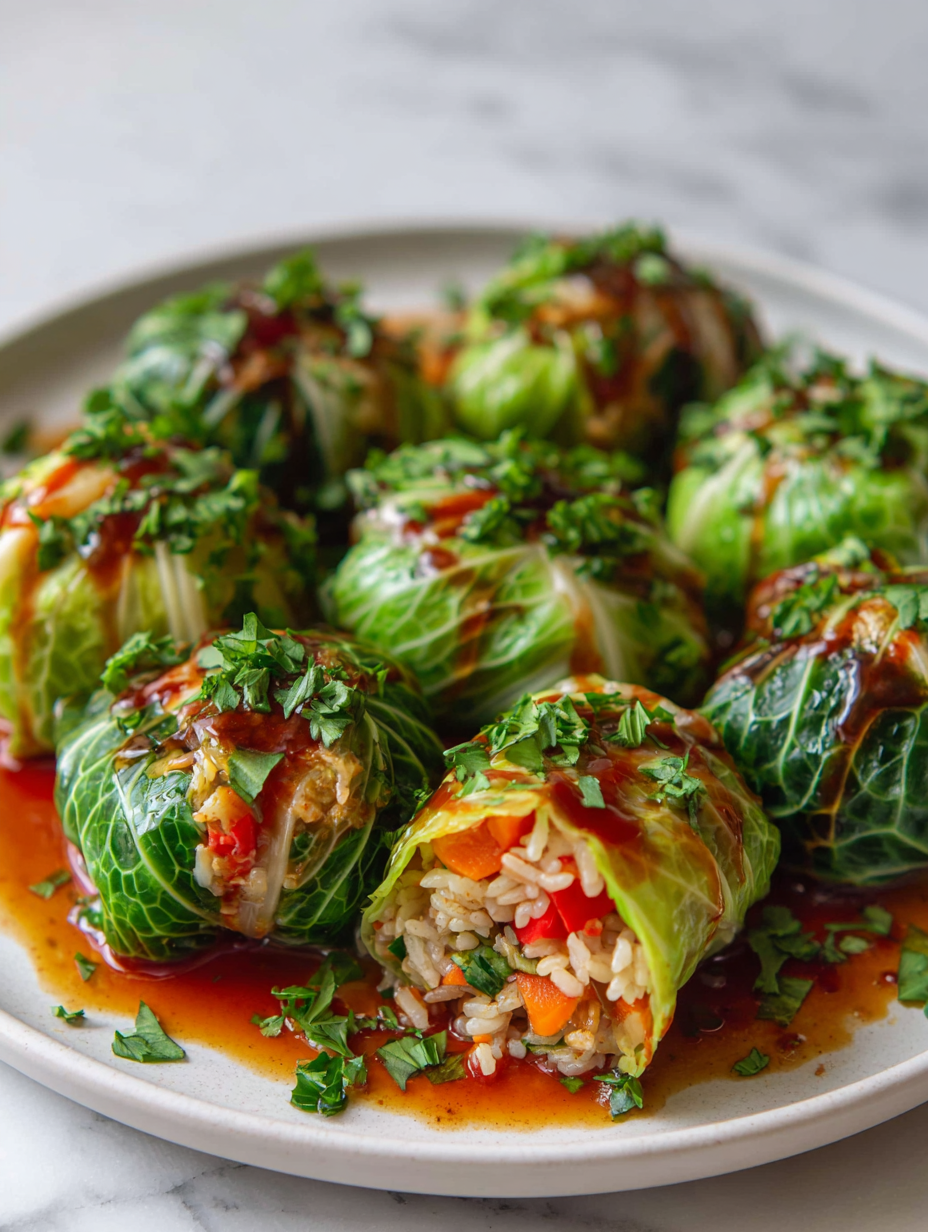
Vegan Cabbage Rolls
Ingredients
Equipment
Method
- Carefully core the cabbage by cutting around the stem with a sharp knife and gently peel away the leaves. Bring a large pot of water to a boil, then blanch the leaves in boiling water for 2-3 minutes until they become bright green and pliable. Drain and set aside to cool slightly.
- While the cabbage cools, mash the silken tofu in a large bowl until smooth. Add the cooked rice, finely chopped onion, minced garlic, dried dill, thyme, smoked paprika, salt, and pepper. Mix everything thoroughly until a creamy, cohesive filling forms.
- Lay a blanched cabbage leaf flat on your work surface. Spoon about 2-3 tablespoons of the filling near the stem end. Fold in the sides, then roll tightly from the stem to the tip, pinching gently to seal the filling inside. Repeat with remaining leaves and filling.
- Pour the vegetable broth into a deep skillet or Dutch oven. Arrange the cabbage rolls seam-side down in the broth, nestling them closely together. Cover with a lid, then bring the broth to a gentle simmer over medium heat, around 80°C (176°F). Cook for 30-35 minutes until the leaves are tender and the filling is heated through.
- After simmering, carefully lift the cabbage rolls with tongs and transfer them to a serving platter. Drizzle a little of the cooking broth over the rolls to keep them moist and flavorful. Let them rest for 5 minutes to allow the flavors to meld.
- Serve the cabbage rolls warm, garnished with fresh herbs if desired. The leaves should be tender with a slight smoky aroma, and the filling creamy and flavorful. Enjoy this comforting, plant-based take on a classic dish!
Pro tips for vegan cabbage rolls
- Pliable leaves: Blanch cabbage for just 2-3 minutes until tender but still sturdy enough to roll without tearing.
- Filling consistency: Mash tofu thoroughly to avoid lumps; it creates a creamy, cohesive filling that stays put inside the leaves.
- Sealing rolls: Fold in sides before rolling tightly from the stem end to prevent filling from escaping during simmering.
- Simmer gently: Keep the broth at a gentle simmer (around 80°C/176°F) to tenderize the cabbage without overcooking the filling.
- Rest before serving: Let the cooked rolls sit for 5 minutes off heat; this helps flavors meld and makes handling easier.
- Adjust seasoning: Taste the filling before assembling; add a pinch more spices or herbs if needed to boost flavor.
- Use tongs: Handle hot cabbage leaves and cooked rolls carefully with tongs to avoid tearing and ensure safety.
Common mistakes and how to fix them
- FORGOT to check cabbage tenderness → Overcooked, leaves tore; blanch for only 2-3 mins.
- DUMPED filling too early → Let it cool slightly to prevent breaking the leaves when rolling.
- OVER-TORCHED the rolls → Keep an eye, simmer gently for even cooking and bright flavor.
- MISSED sealing edges → Fold and tuck carefully to prevent filling from escaping during simmer.
Quick fixes and pantry swaps
- When leaves tear, patch with a toothpick and simmer gently to seal the tear.
- Splash cold water on over-torched rolls to stop burning and restore moisture.
- DUMPED filling feels too loose? Add a little more rice or tofu for better binding.
- If broth evaporates too quickly, shield with foil or add hot water during simmering.
- Rescue a five-second burn by removing the top layer immediately and rinsing with cold water.
Prep, store, and reheat tips
- Prepare the filling and blanch the cabbage leaves a day in advance; store separately in airtight containers in the fridge. Filling stays fresh for up to 24 hours, cabbage leaves for 2 days.
- Assemble the cabbage rolls the day you plan to cook them. Keep them covered in the fridge to prevent drying out, for up to 12 hours.
- The cooked rolls can be refrigerated in an airtight container for 3-4 days. Reheat gently in the microwave or oven, checking for hot, steamy textures and vibrant flavors.
- For longer storage, freeze the assembled rolls (without sauce) in a sealed container for up to 1 month. Thaw overnight in the fridge before reheating. Expect the cabbage to be slightly softer upon reheating, with flavors mellowed but still comforting.
Top questions about vegan cabbage rolls
1. How do I know when the cabbage leaves are ready to roll?
Cabbage leaves should be tender but not falling apart; blanch for 2-3 minutes until bright green and pliable.
2. What consistency should the filling have?
The filling should be creamy and hold together well, not too runny. Adjust tofu or rice if needed.
3. How long and at what temperature do I cook the rolls?
Simmer the rolls gently in broth at about 80°C/176°F for 30-35 minutes to keep them tender.
4. What tools are best for rolling the cabbage leaves?
Use tongs to handle hot leaves, and be careful when rolling to avoid tearing the cabbage.
5. Can I swap the cabbage for another type?
You can substitute savoy or Napa cabbage leaves for a milder, more tender wrapper.
6. What’s a common mistake during cooking and how to fix it?
Overcooking can make leaves tear; keep an eye on the blanching time and simmer gently.
7. Can I prepare these ahead of time?
Refrigerate assembled rolls for up to 12 hours before cooking; reheat gently for best texture.
8. How do I store leftovers or prepare in advance?
The dish can be frozen for up to a month; thaw overnight and reheat until hot and steamy.
9. What if my broth reduces too fast during cooking?
If the broth evaporates too quickly, add a splash of hot water or cover more tightly during simmering.
10. What herbs work best in this dish?
Use fresh dill for a bright, herbal note, or parsley for a milder flavor—both work beautifully.
This vegan cabbage rolls recipe is more than just a meal; it’s a nostalgic trip wrapped in tender leaves and savory filling. It’s a reminder that comforting, familiar dishes can be reimagined with kindness and a little patience. Each bite is a quiet celebration of tradition, made honest and plant-based.
Whether you’re craving a taste of childhood or just looking for a hearty, plant-forward dinner, these rolls deliver. They carry the warmth of home and the simplicity of good ingredients. Sometimes, a simple dish like this is all you need to bring a little more comfort into your day.

Hi, I’m Clara Sage – and welcome to my kitchen of small revelations.
I created The Language of Aha not just as a recipe blog—but as a space to celebrate the little lightbulb moments that happen in the kitchen.