
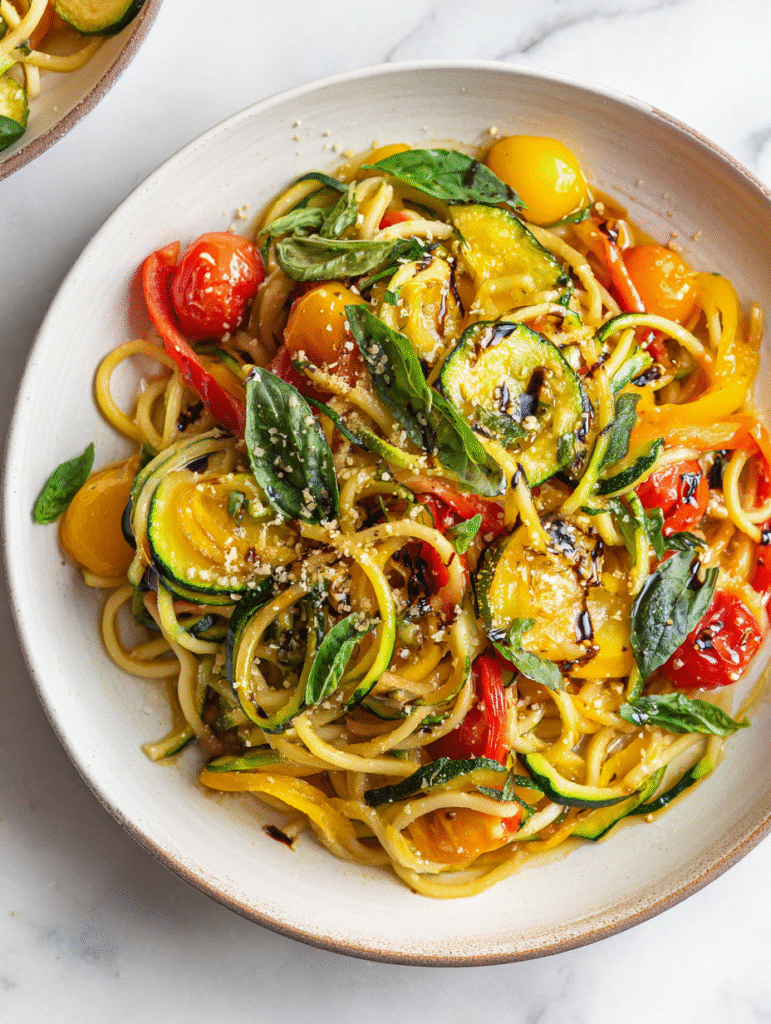
This vegan Pasta Primavera is my way of holding onto spring’s short-lived bounty. I love how the seasonal veggies—crisp asparagus, sweet peas, and tender zucchini—bring a burst of color and freshness to the plate. It’s quick, honest, and feels like a little celebration of nature’s fleeting gifts.
Cooking this dish feels like a small act of rebellion against busy weeknights, where I can toss together something vibrant and nourishing without fuss. The aroma of garlic and lemon brightening up the kitchen reminds me why I keep returning to these simple, seasonal ingredients. It’s a reminder that good food doesn’t have to be complicated or heavy.
Focusing on how this vegan pasta primavera is a vibrant celebration of spring’s fleeting produce, emphasizing the importance of seasonal ingredients and how they inspire a dish that feels both fresh and nostalgic, yet quick enough for busy weeknights.
The story behind this recipe
- This dish was born out of a hectic spring day when I had just a few minutes but craved something bright and fresh. I remembered a walk through a local farmers’ market, the smells of fresh basil, ripe tomatoes, and tender zucchini filling the air. I wanted to capture that burst of seasonal joy in a simple, satisfying meal that didn’t demand hours in the kitchen.
- It’s a recipe that reminds me of lazy Sunday afternoons, when I’d gather all the colorful vegetables straight from the garden or market stalls, toss them with pasta, and feel that rush of gratitude for good, honest ingredients. It’s my ode to spring—quick, vibrant, and full of life.
- heading
Key ingredients and tips
- Zucchini: I slice this tender veggie thin so it cooks quickly and keeps its vibrant green color, giving the dish that fresh crunch you want. Feel free to swap with yellow squash if you prefer a milder flavor.
- Asparagus: I love how the stalks turn a bright, slightly smoky green when sautéed. Break off the tough ends and chop into bite-sized pieces—don’t skip this step or you’ll get chewy bits.
- Peas: I add fresh snow peas or sugar snap peas for a burst of sweetness and crunch. Their juicy pop is what elevates the dish from just good to memorable. Frozen peas work in a pinch, just thaw first.
- Garlic: I crush mine to release the pungent aroma that fills the kitchen, then sauté until golden. If you prefer a milder garlic flavor, reduce the amount or add it later in cooking.
- Lemon: I zest and juice fresh lemon for a bright, citrusy zing that lifts all the veggies. A splash of lemon juice right before serving makes everything shimmer, so don’t skip it.
- Olive Oil: I use a good-quality extra virgin for that fruity aroma and smooth texture. If you want a lighter feel, reduce the amount or substitute with a neutral oil but expect less depth.
- Fresh Basil: I tear it just before serving to preserve the aroma and bright green color. If basil isn’t available, fresh parsley or oregano can add a different, herbal note.
Spotlight on key ingredients
Vegetables:
- Zucchini: I slice this tender veggie thin so it cooks quickly and keeps its vibrant green color, giving the dish that fresh crunch you want. Feel free to swap with yellow squash if you prefer a milder flavor.
- Asparagus: I love how the stalks turn a bright, slightly smoky green when sautéed. Break off the tough ends and chop into bite-sized pieces—don’t skip this step or you’ll get chewy bits.
- Peas: I add fresh snow peas or sugar snap peas for a burst of sweetness and crunch. Their juicy pop is what elevates the dish from just good to memorable. Frozen peas work in a pinch, just thaw first.
Herbs & Citrus:
- Garlic: I crush mine to release the pungent aroma that fills the kitchen, then sauté until golden. If you prefer a milder garlic flavor, reduce the amount or add it later in cooking.
- Lemon: I zest and juice fresh lemon for a bright, citrusy zing that lifts all the veggies. A splash of lemon juice right before serving makes everything shimmer, so don’t skip it.
Notes for ingredient swaps
- Dairy-Free: Swap out any cheese or dairy-based sauces with coconut cream or nut-based cheeses. Expect a slightly sweeter, richer flavor.
- Gluten-Free: Use gluten-free pasta made from rice, corn, or legumes. Keep in mind, texture might be a bit different, more tender or chewy.
- Oil Alternatives: Replace olive oil with avocado or toasted sesame oil for a different aroma and a slightly nutty or smoky note.
- Veggie Variations: Frozen mixed vegetables can stand in for fresh, but they may release more water—so cook a little longer to evaporate excess moisture.
- Herb Boost: Swap basil for fresh parsley or cilantro if you want a different herbal brightness, especially for a more pungent or citrusy note.
- Lemon Substitute: Lime juice can replace lemon for a slightly tangier, more floral citrus punch—perfect for a different vibe.
- Pea Options: Use edamame or green beans if you don’t have peas. They add a similar fresh bite but with different textures and flavors.
Equipment & Tools
- Large pot: Boil pasta efficiently in plenty of salted water.
- Wide skillet: Sauté vegetables evenly without overcrowding.
- Slotted spoon or tongs: Toss pasta and veggies together without breaking them.
- Small bowl: Hold lemon zest and juice for easy access.
- Measuring cups/spoons: Accurately measure oil, lemon, and pasta water.
Step-by-step guide to Pasta Primavera
- Gather all your equipment: a large pot for boiling pasta, a wide skillet for sautéing, a small bowl for lemon zest and juice, and a slotted spoon or tongs for tossing. Have everything within reach before you start.
- Bring a large pot of salted water to a boil—about 4-5 liters, 100°C/212°F. Add your pasta and cook according to package instructions until al dente, roughly 8-10 minutes. Stir occasionally to prevent sticking.
- While the pasta cooks, prepare your veggies. Trim the woody ends off the asparagus, chop into 2-inch pieces, and set aside. Thinly slice zucchini and set aside. Have your peas ready, either fresh or thawed if frozen.
- Heat your skillet over medium heat—about 180°C/350°F. Add 2 tablespoons of olive oil, then toss in the garlic. Cook until fragrant, about 30 seconds, until it starts to shimmer but not brown.
- Add the asparagus first, cook for 2-3 minutes until it begins to turn vibrant green and slightly tender, with a bit of a smoky edge. If it starts to brown too quickly, lower the heat.
- Next, add zucchini slices. Stir and cook for another 2-3 minutes. The zucchini should be tender but still slightly firm, with a glossy sheen from the oil.
- Toss in the peas and cook for 1 minute just to warm them through. They should stay juicy and bright. If you see any dull or limp peas, they might be overcooked.
- Drain the pasta, reserving about ½ cup of cooking water. Add the pasta directly to the skillet with the veggies. Toss gently to combine over medium heat, about 1 minute, to let flavors meld.
- Add the lemon zest and juice, along with a splash of the reserved pasta water if needed to loosen the sauce. Stir well. The aroma should lift, and the veggies will shimmer with brightness.
- Taste and adjust seasoning with salt and pepper. If it needs a little more zing, squeeze extra lemon directly onto the dish before serving.
- Finish with torn fresh basil or your preferred herbs. Toss again and serve immediately to enjoy the vibrant textures and flavors.
Serve immediately with fresh herbs on top. No resting needed; enjoy while hot, with a sprinkle of extra herbs or lemon if desired.
How to Know It’s Done
- Veggies are tender but still vibrant in color, not mushy.
- Pasta is al dente, with a slight bite, not overcooked.
- Sauce coats the pasta smoothly, with a bright, lemony aroma.
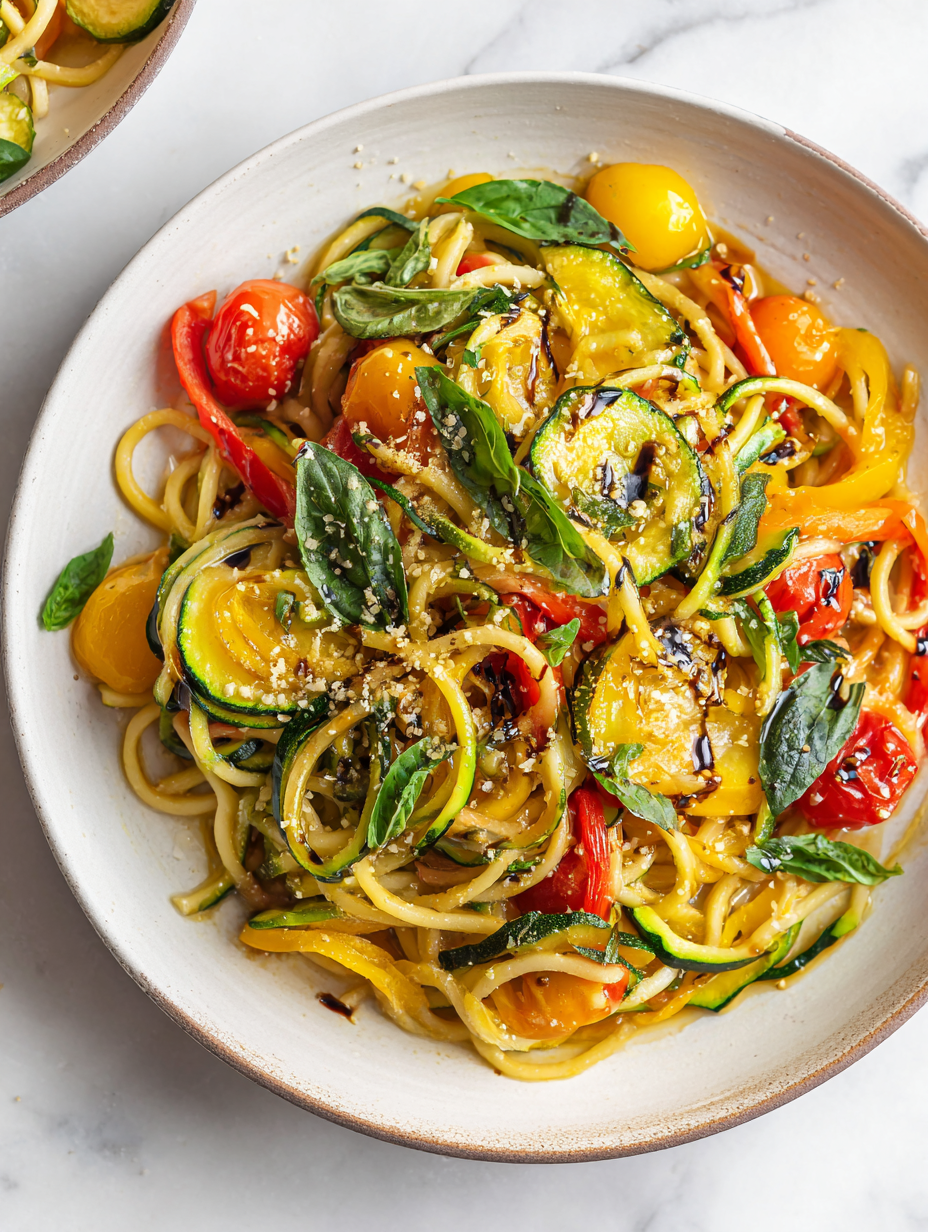
Vegan Pasta Primavera
Ingredients
Equipment
Method
- Bring a large pot of salted water to a boil. Add your pasta and cook until just al dente, about 8-10 minutes. Drain, reserving a little pasta water, and set aside.
- While the pasta cooks, prepare your vegetables. Trim the tough ends off the asparagus and chop into 2-inch pieces. Thinly slice the zucchini and set all aside.
- Heat a wide skillet over medium heat. Add 2 tablespoons of olive oil, then toss in the crushed garlic. Cook until fragrant and golden, about 30 seconds, with a gentle sizzle.12 ounces pasta (penne, spaghetti, or your choice)
- Add the chopped asparagus to the skillet. Sauté for 2-3 minutes until it turns bright green and begins to soften slightly, with a slight smoky aroma.12 ounces pasta (penne, spaghetti, or your choice)
- Next, add the sliced zucchini. Stir and cook for another 2-3 minutes until tender but still vibrant, with a glossy sheen from the oil.12 ounces pasta (penne, spaghetti, or your choice)
- Stir in the fresh peas and cook for 1 minute, just enough to warm them through while keeping their juicy crunch.12 ounces pasta (penne, spaghetti, or your choice)
- Reduce the heat to low, then add the drained pasta directly to the skillet. Toss gently with tongs or a slotted spoon to combine and coat the noodles with the vegetable oils and flavors.
- Add the lemon zest and squeeze in the lemon juice. Mix well, adding a splash of reserved pasta water if needed to loosen the sauce and help everything cling together beautifully.12 ounces pasta (penne, spaghetti, or your choice)
- Taste and season with salt and pepper as desired. The dish should be bright, fresh, and lightly coated with oil, with vibrant vegetables and tender pasta.12 ounces pasta (penne, spaghetti, or your choice)
- Finish by tearing fresh basil over the top, then toss everything gently to distribute the herbs evenly. Serve immediately while warm and fragrant.12 ounces pasta (penne, spaghetti, or your choice)
Pro Tips for Vibrant Pasta Primavera
- Bolded mini-head: Use a wide skillet to get even, quick sautéing of veggies, avoiding overcrowding.
- Bolded mini-head: Salt your pasta water generously; it’s the only chance to season the noodles thoroughly.
- Bolded mini-head: Toss veggies in a splash of pasta water to help them shimmer and stick to the pasta better.
- Bolded mini-head: Add lemon zest at the end to keep its bright, fresh aroma from cooking off.
- Bolded mini-head: Keep your garlic moving in the pan—don’t let it sit and brown too fast or it’ll turn bitter.
- Bolded mini-head: Taste as you go—season with salt gradually, aiming for a balanced, not overpowering, flavor.
- Bolded mini-head: Use fresh herbs last to preserve their vibrant aroma and color, adding a burst of freshness.
Common mistakes and how to fix them
- FORGOT to check pasta saltiness; fix with more salt in sauce if needed.
- DUMPED too much olive oil; use less for a lighter dish, but balance flavor.
- OVER-TORCHED vegetables; lower heat or add a splash of water to stop burning.
- FORGOT to reserve pasta water; use it to loosen sauce and add flavor.
Quick kitchen fixes
- When sauce is too thin, splash in a bit more pasta water and simmer briefly until it thickens with shimmer.
- If veggies are overcooked, quickly toss in fresh herbs or a squeeze of lemon for a fresh burst and color boost.
- Splash extra olive oil if the dish feels dry or dull, to restore shine and smoothness.
- Patch under-seasoned pasta by sprinkling salt or a dash of soy sauce as you toss it in the skillet, then stir well.
- Shield burnt garlic by removing it immediately and adding a splash of water or lemon to cool the pan.
Prep, store, and reheat tips
- Pre-chop all vegetables the night before; store in airtight containers in the fridge to save time and keep them crisp.
- Cook the pasta ahead and toss with a teaspoon of olive oil to prevent sticking; store in a sealed container for up to 24 hours.
- The flavors deepen overnight—store leftovers in an airtight container in the fridge for up to 2 days. Expect the veggies to soften slightly but retain brightness.
- Reheat gently in a skillet over low heat, adding a splash of water or lemon juice to revive the freshness and prevent drying out. Expect the aroma of lemon and garlic to soften but still lift.
Top questions about vegan pasta primavera
1. Can I make this dish ahead of time?
Use fresh, seasonal vegetables for the best flavor and juiciness, especially in spring when everything is tender and bright.
2. How do I keep the veggies from getting mushy?
Yes, cook the pasta and chop the veggies the night before. Reheat gently with a splash of water or lemon juice.
3. What if my vegetables turn out soggy?
Cook the vegetables over medium heat just until tender and still vibrant. Remove from heat promptly to prevent overcooking.
4. Can I use a different oil or citrus?
Use a good quality olive oil and don’t skimp on fresh lemon zest—these are key to brightening the dish.
5. What substitutions work well?
Frozen peas or pre-sliced zucchini are fine in a pinch. Just thaw the peas and pat zucchini dry before cooking.
6. Can I change the herbs?
Yes, you can swap in different herbs like parsley or oregano if basil isn’t available. Just add them at the end for freshness.
7. How should I cook the pasta?
Keep the pasta slightly underdone when boiling, as it will finish cooking in the skillet with the veggies.
8. When should I add lemon?
Add lemon juice and zest at the end to preserve their bright, fresh aroma and prevent bitterness.
9. How do I season this dish properly?
Taste as you go, adjusting salt and lemon to balance sweetness from veggies and acidity for brightness.
10. Any tips for leftovers?
Reheat in a skillet on low, adding a little water or lemon juice to revive flavors and keep it fresh.
This dish feels like a quiet celebration of spring’s brief, vibrant window. It’s simple, honest, and full of life, perfect for those busy nights when you want fresh flavors without fuss.
Cooking this pasta primavera reminds me that good ingredients and a little attention make all the difference. It’s a dish that keeps me grounded in the season, even when life gets hectic.

Hi, I’m Clara Sage – and welcome to my kitchen of small revelations.
I created The Language of Aha not just as a recipe blog—but as a space to celebrate the little lightbulb moments that happen in the kitchen.