
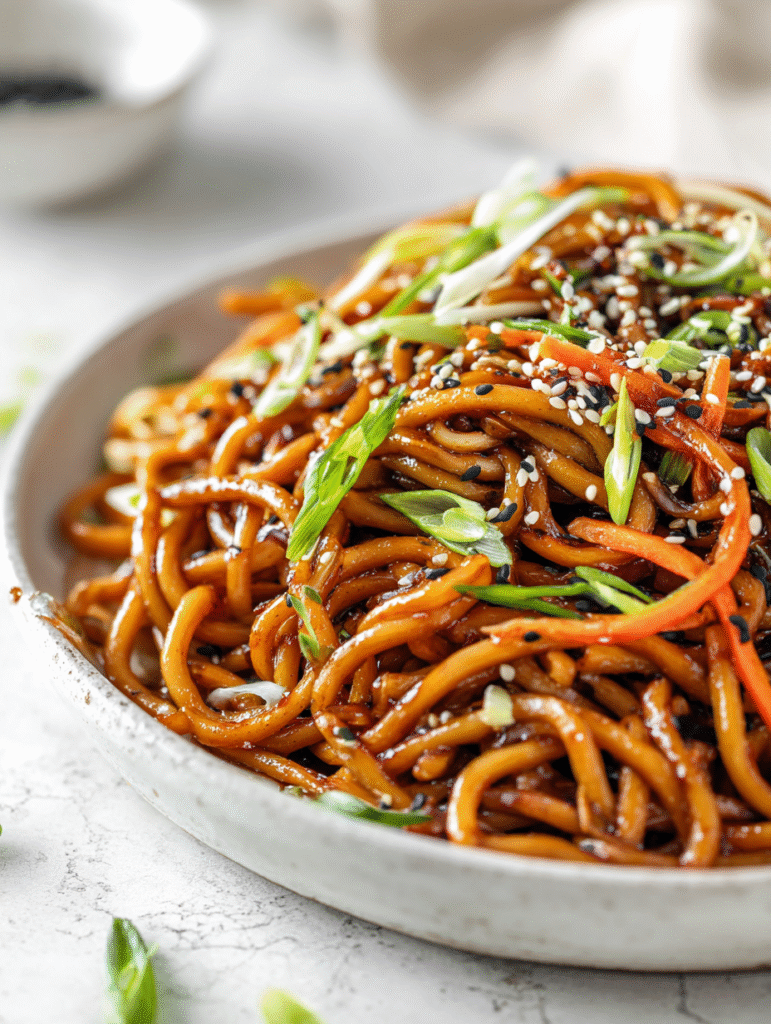
Vegan sesame noodles aren’t just about the punchy, toasted sesame flavor—they’re about balancing that richness with a splash of citrus that wakes up your palate. I love how a simple squeeze of lime or lemon can turn a heavy, nutty sauce into something vibrantly refreshing, almost like it’s zipping through your senses. It’s one of those dishes that feels both familiar and unexpectedly bright, perfect for a quick lunch or a casual dinner when you want something satisfying but not weighed down.
What drew me to this recipe initially was how adaptable it is—no need for complicated ingredients or fancy techniques. Just a handful of pantry staples, a few minutes of stirring, and you’re in the kitchen with a bowl of something that feels like a little celebration of bold flavors. Plus, the aroma of toasted sesame seeds and garlic filling the air is a kind of comfort all on its own, grounding the dish in warmth and depth.
Focusing on how to balance bold sesame flavors with a touch of citrus to brighten the dish, making it both comforting and unexpectedly refreshing.
The story behind this recipe
- This recipe came together on a rainy afternoon when I realized I had a jar of toasted sesame seeds that needed using up. I wanted something quick, flavorful, and comforting, yet with a bright twist to lift the heaviness. Stirring that sesame paste into hot noodles, I remembered childhood trips to bustling Asian markets, where the smell of roasted seeds and garlic mingled in the air, making everything feel alive and inviting.
- The first time I made these noodles, I was exhausted after a long day, but the familiar aroma of toasted sesame and garlic instantly made me feel grounded. It’s a humble dish that’s grown on me over the years, always reminding me that simple ingredients, treated right, can create something deeply satisfying.
- heading
- story_type
Key Ingredient Insights
- Toasted sesame seeds: I love how they add a nutty, smoky aroma that really defines the dish. Toast until golden and fragrant—skip this step and the flavor will fall flat.
- Sesame paste: It’s the backbone of the sauce, rich and creamy with a deep umami punch. If you’re out, peanut butter works in a pinch, but the flavor shifts—less sesame, more nutty sweetness.
- Soy sauce: Salty and savory, it balances the nuttiness. Use low-sodium if you prefer a gentler salt hit, or tamari for a gluten-free twist.
- Lime or lemon juice: Brightens everything with a zesty pop. I squeeze just before serving—don’t add too early, or the citrus can dull.
- Garlic: Fresh and pungent, it’s the secret to depth. Roast it slightly for a sweeter, mellow flavor, or go raw for sharpness—your call.
- Noodles: I lean toward chewy, slightly thicker rice or soba noodles—they hold sauce better and add texture. Cook until just al dente; overcooked noodles turn mushy fast.
- Sesame oil: Just a drizzle adds a toasty finish. Use sparingly—it’s potent and can overpower if you’re heavy-handed.
Spotlight on key ingredients
Sesame Seeds & Paste:
- Toasted sesame seeds: I love how they add a nutty, smoky aroma that really defines the dish. Toast until golden and fragrant—skip this step and the flavor will fall flat.
- Sesame paste: It’s the backbone of the sauce, rich and creamy with a deep umami punch. If you’re out, peanut butter works in a pinch, but the flavor shifts—less sesame, more nutty sweetness.
Notes for ingredient swaps
- Vegan Mayo: Swap in for some creamy richness if you want a silkier sauce—less nutty flavor, more mellow.
- Tamari: Use instead of soy sauce for a gluten-free, slightly richer umami punch—less salty, more complex.
- Maple Syrup: Substitute with agave nectar or brown sugar for sweetness—less caramel, more straightforward sweetness.
- Rice Vinegar: Replace with apple cider vinegar for a milder tang—fruity notes might come through.
- Cilantro: Use chopped basil or parsley if you dislike cilantro’s flavor—fresh, but less pungent.
- Soba Noodles: Try udon or wheat noodles for a different chew—less nutty, more neutral.
- Sesame Oil: Use toasted flaxseed oil for a different nutty aroma—less intense, more subtle.
Equipment & Tools
- Large pot: Boil noodles efficiently and evenly
- Small skillet: Toast sesame seeds for flavor and aroma
- Whisk: Mix sauce ingredients smoothly
- Colander: Drain noodles quickly and thoroughly
- Wooden spoon or tongs: Toss noodles in sauce without breaking them
Step-by-step guide to vegan sesame noodles
- Gather all equipment and ingredients. Use a large pot for boiling noodles, a small saucepan for sauce, a whisk, and a colander.
- Bring 4 liters (about 4 quarts) of water to a rolling boil over high heat, approximately 100°C (212°F).
- Add your noodles—about 200 grams (7 oz) of soba or thick rice noodles. Cook according to package, usually 8-10 minutes, until just al dente. Stir occasionally to prevent sticking.
- While noodles cook, toast 2 tablespoons of sesame seeds in a dry skillet over medium heat (about 160°C/320°F). Shake or stir constantly, until golden and fragrant, about 2-3 minutes. Keep an eye so they don’t burn.
- In a small bowl, whisk together 3 tablespoons of tahini or sesame paste, 2 tablespoons of soy sauce, 1 tablespoon of rice vinegar, 1 teaspoon of maple syrup, and 1 teaspoon of sesame oil. Add a splash of warm water to loosen if needed. Set aside.
- Once noodles are cooked, drain and rinse under cold water to stop cooking and cool slightly. Drain thoroughly.
- In the saucepan, heat a teaspoon of oil over low to medium heat. Add 2 minced garlic cloves and cook for 30 seconds until fragrant—do not burn. Turn off heat.
- Pour the prepared sauce into the warm pan with garlic. Stir well to combine, allowing flavors to meld for about 1 minute. If the sauce thickens too much, add a little hot water to loosen.
- Add noodles to the sauce, tossing gently to coat evenly. Warm through for 1-2 minutes over low heat, just until noodles absorb some flavor but remain firm.
- Finish by squeezing fresh lime or lemon juice over the noodles—about 1 tablespoon—to brighten the dish. Toss again.
- Transfer noodles to a serving bowl. Garnish with toasted sesame seeds, chopped scallions, and a drizzle of extra sesame oil if desired.
- Let rest for 1-2 minutes to allow flavors to settle. Serve immediately for best texture and aroma.
Serve noodles immediately, garnished with extra seeds and scallions. Rest for 1-2 minutes to allow flavors to meld before eating. Enjoy the warm, nutty aroma and bright citrus finish.
How to Know It’s Done
- Noodles are cooked al dente, with a slight firmness when bitten.
- Sauce is creamy, well combined, with a nutty, tangy aroma.
- Noodles are evenly coated and heated through, with no raw garlic smell.
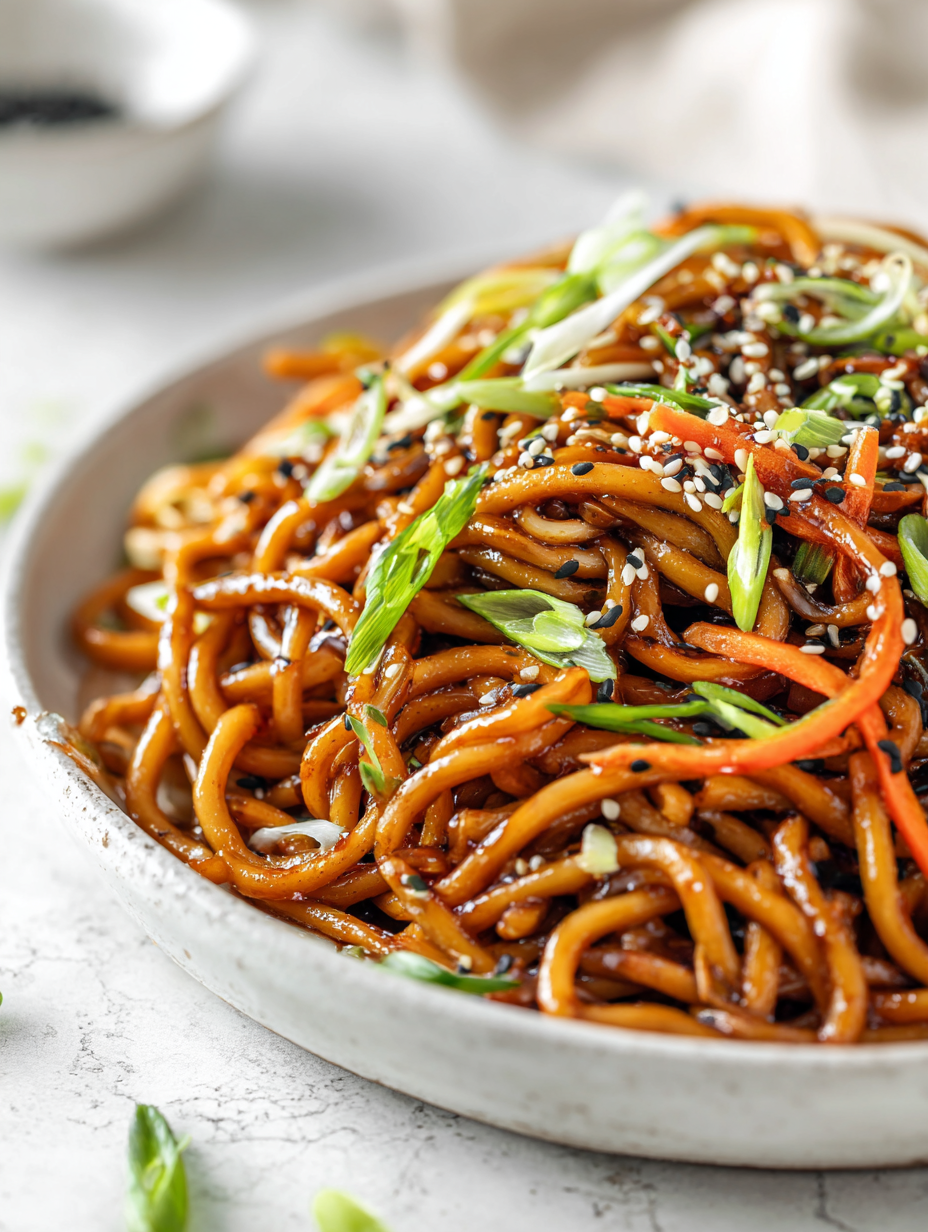
Vegan Sesame Noodles
Ingredients
Equipment
Method
- Bring a large pot of water to a rolling boil over high heat. Add the noodles and cook until just al dente, about 8-10 minutes, stirring occasionally. Drain and rinse under cold water to stop cooking; set aside.
- While the noodles cook, toast the sesame seeds in a dry skillet over medium heat, shaking or stirring constantly, until golden and fragrant, about 2-3 minutes. Remove from heat and set aside.
- In a small bowl, whisk together the sesame paste, soy sauce, rice vinegar, maple syrup, and sesame oil until smooth. If the mixture is too thick, add a splash of warm water to loosen it to a creamy consistency.
- Heat a teaspoon of oil in a small skillet over low to medium heat. Add the minced garlic and cook for about 30 seconds until fragrant, being careful not to burn it.
- Pour the prepared sauce into the skillet with garlic and stir well, warming the mixture for about 1 minute to allow the flavors to meld.
- Add the drained noodles to the sauce, tossing gently with tongs or a wooden spoon to coat evenly. Warm through for another 1-2 minutes, just until noodles are heated and sauce is absorbed slightly.
- Squeeze fresh lime or lemon juice over the noodles, then toss again to distribute the bright citrus flavor.
- Transfer the noodles to a serving bowl. Garnish generously with toasted sesame seeds and, if desired, a drizzle of toasted sesame oil for extra aroma.
- Let the noodles rest for a couple of minutes to allow the flavors to settle before serving. Enjoy the rich, nutty, and bright flavors in every bite!
Pro tips for perfect sesame noodles
- sesame seeds: Toast until golden and fragrant; this step unlocks their smoky, nutty aroma.
- Creamy sauce: Whisk sesame paste with warm water to prevent clumping and achieve silky smoothness.
- Heat control: Keep garlic over low heat; it burns quickly and turns bitter if pushed too high.
- Noodle doneness: Cook until just al dente; overcooked noodles become mushy and lose their chew.
- Citrus timing: Add lime or lemon juice off the heat to preserve bright, fresh flavor without dulling.
- Toasting seeds: Shake the skillet constantly to avoid burnt spots and uneven color.
- Sauce consistency: Adjust with hot water—add gradually until sauce is pourable but still rich.
Common mistakes and how to fix them
- FORGOT to toast sesame seeds? Toast until fragrant, not burnt, to avoid bitterness.
- DUMPED in too much soy sauce? Use low-sodium to control salt and prevent oversalting.
- OVER-TORCHED sesame seeds? Keep heat moderate and stir constantly to prevent burning.
- MISSED the citrus squeeze? Add lime or lemon just before serving for brightness.
Quick fixes and pantry swaps
- When sauce is too thick, splash in hot water and stir until silky.
- If noodles stick, toss with a little sesame oil to prevent clumping.
- Splash soy sauce if the flavor is too mild—boosts salt and umami instantly.
- Patch burnt sesame seeds by removing blackened bits and toasting fresh ones.
- Shield delicate noodles from overcooking by removing from heat early and rinsing in cold water.
Prep, store, and reheat tips
- Prep the sauce ingredients—whisk together sesame paste, soy, and citrus up to a day in advance. Keeps in the fridge for 2-3 days, and the flavors meld beautifully overnight.
- Cook the noodles ahead of time and rinse under cold water to stop the cooking. Store in an airtight container for up to 24 hours; they might absorb some sauce if kept too long.
- Toast sesame seeds in advance and keep in an airtight jar. They stay crisp for days, just re-toast briefly if they lose their aroma before serving.
- Reheat leftovers gently: warm in a skillet over low heat or microwave for 30 seconds. The sauce might thicken, so add a splash of warm water or broth to loosen it up. Expect a slightly more mellow flavor after sitting.
Top questions about vegan sesame noodles
1. Can I skip toasting the sesame seeds?
Use toasted sesame seeds for that smoky, nutty flavor. If you skip toasting, the aroma and depth will be dull.
2. Can I substitute tahini or peanut butter?
Yes, you can substitute tahini or peanut butter, but expect a different flavor profile—less smoky, more creamy.
3. Is soy sauce necessary?
Use gluten-free soy sauce or tamari for gluten allergies. The flavor stays savory, but might be a touch less salty.
4. When should I add citrus juice?
Add lemon or lime juice just before serving to keep the citrus bright and prevent dullness. It really lifts the dish.
5. How do I know when the noodles are done?
Cook noodles until just al dente, usually 8-10 minutes. Overcooked noodles will turn mushy when tossed with sauce.
6. Can I prepare this ahead?
Store cooked noodles and sauce separately in airtight containers for up to 2 days. Reheat gently, adding a splash of water if needed.
7. How do I toast sesame seeds properly?
Toast sesame seeds until fragrant and golden—burnt seeds turn bitter, so keep a close eye and stir constantly.
8. What’s the best way to warm the sauce?
Use a small saucepan to gently warm the sauce; keep heat low to prevent the sesame paste from separating or burning.
9. My sauce is too thick, what do I do?
If the sauce thickens too much, stir in a little warm water or broth until it reaches your preferred consistency.
10. How much sesame oil should I use?
When adding sesame oil, use sparingly—it’s potent and can overpower if you add too much at once.
These vegan sesame noodles are a reminder that simple ingredients can come together in a way that’s both satisfying and unexpectedly bright. The toasted sesame aroma, combined with the citrus zing, makes every bite feel like a small celebration of flavor. It’s a dish I keep coming back to, especially when I want something quick but full of depth.
In a world where busy days often drown out slow, mindful cooking, this recipe offers a moment to breathe and enjoy. Whether you’re making it for yourself or sharing with friends, it’s a humble dish that somehow elevates everyday ingredients into something memorable.

Hi, I’m Clara Sage – and welcome to my kitchen of small revelations.
I created The Language of Aha not just as a recipe blog—but as a space to celebrate the little lightbulb moments that happen in the kitchen.