
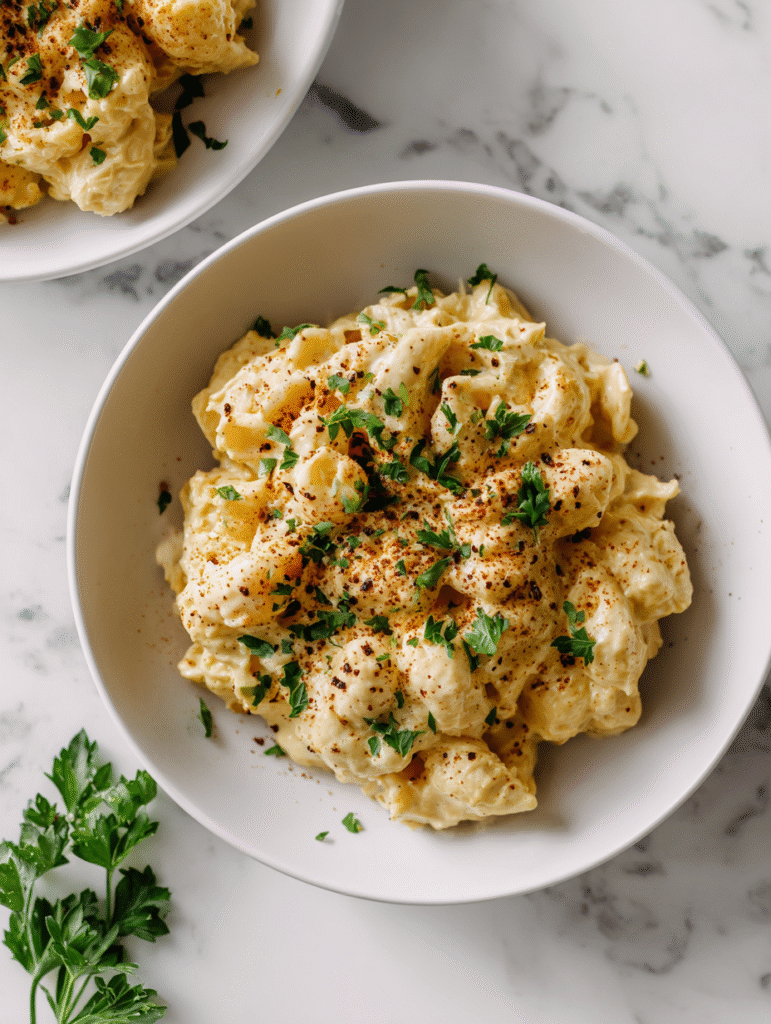
This vegan mac and cheese isn’t about reinventing the wheel; it’s about capturing that melted, cheesy nostalgia from childhood, but with a plant-based twist. I find myself craving this when I need comfort that’s honest and straightforward. It’s simple ingredients, but they come together in a way that feels deeply satisfying, like a warm hug in a bowl.
What makes this recipe special isn’t just the flavors — it’s the memories it stirs up. I remember late nights sneaking into the kitchen, trying to mimic my mom’s cheesy version with whatever I had. Now, I’ve perfected a version that’s just as creamy, gooey, and full of that familiar, cheesy richness, without any dairy involved.
This recipe focuses on recreating the nostalgic, cheesy comfort of childhood mac and cheese using only plant-based ingredients, emphasizing the emotional connection and memories tied to the dish.
The story behind this recipe
- This dish came from late-night kitchen experiments, trying to replicate that gooey, cheesy comfort from childhood with just plant-based ingredients. I remember the first time I got it right — the smell of melting cashews and nutritional yeast filling the apartment, that instant rush of nostalgia and pride. It’s a recipe born from craving simplicity and honest flavors, made to soothe and satisfy without dairy or fuss.
- Years ago, I was craving something warm and cheesy after a long day, but couldn’t find a good vegan version that hit the same notes as the classic. I started blending different nuts, spices, and a splash of lemon until I hit that perfect, velvety sauce. Now, it’s become a go-to for cozy nights, potlucks, or when I need a reminder that comfort food can be both easy and nourishing.
- heading: “The story behind this recipe”
Key Ingredients and Tips
- Cashews: I love how they turn silky when soaked, giving that rich, cheesy base. Skip soaking if you want a thicker sauce; just blend longer.
- Nutritional Yeast: It’s my secret weapon for that cheesy umami punch. If you don’t have it, a splash of miso paste can work in a pinch, though the flavor shifts slightly.
- Lemon Juice: Brightens everything with a zing that balances the richness. Use fresh lemon for the best pop — bottled will dull the zing.
- Garlic Powder: It adds a subtle depth without the harshness of raw garlic. If you prefer a more pronounced garlic flavor, roast a clove and blend it in.
- Plant-Based Milk: I usually reach for unsweetened almond or cashew milk; it’s smooth and neutral. Coconut milk makes it creamier but can add a subtle sweetness, so adjust accordingly.
- Nutritional Yeast: It’s my go-to for that cheesy flavor, but if you’re out, a sprinkle of smoked paprika can add a smoky depth that’s pretty fantastic.
- Turmeric: I add a pinch for color and a tiny boost of earthiness. If you’re sensitive to its flavor, start with less and taste as you go.
Spotlight on key ingredients
Cashews:
- I love how they turn silky when soaked, giving that rich, cheesy base. Skip soaking if you want a thicker sauce; just blend longer.
- Nutritional Yeast: It’s my secret weapon for that cheesy umami punch. If you don’t have it, a splash of miso paste can work in a pinch, though the flavor shifts slightly.
Nutritional Yeast:
- Lemon Juice: Brightens everything with a zing that balances the richness. Use fresh lemon for the best pop — bottled will dull the zing.
- It’s my go-to for that cheesy flavor, but if you’re out, a sprinkle of smoked paprika can add a smoky depth that’s pretty fantastic.
Notes for ingredient swaps
- Dairy-Free: Use soaked and blended sunflower or pumpkin seeds for a nutty, creamy base—less cheesy, more earthy.
- Nutritional Yeast: Swap with miso paste for umami; it’s saltier and tangier, so cut back on salt accordingly.
- Lemon Juice: Replace with apple cider vinegar for brightness; it’s sharper but less zingy than lemon.
- Plant-Based Milk: Coconut milk adds richness and a subtle sweetness, but use unsweetened to avoid masking cheesy flavors.
- Garlic: Roast fresh garlic and blend for a mellow, sweet depth, or skip entirely if you prefer a milder sauce.
- Turmeric: For color without flavor, use paprika or annatto powder. They add a vibrant hue without earthy notes.
- Pasta: Regular wheat pasta works fine, but chickpea or lentil pasta boosts protein and fiber—mind the thicker texture.
Equipment & Tools
- Blender: Blend cashews and ingredients into a silky sauce.
- Medium saucepan: Cook pasta and heat the sauce.
- Whisk: Stir sauce and prevent sticking or burning.
- Baking dish: Bake the combined pasta and sauce for a golden finish.
Step-by-step guide to vegan mac and cheese
- Gather your equipment: a blender, a medium saucepan, a whisk, and a baking dish. The blender is for silky sauces, the saucepan for cooking pasta, the whisk for mixing, and the dish for baking.
- Soak 1 ½ cups of cashews in hot water for at least 20 minutes. If pressed for time, use hot tap water and soak for 10 minutes. Drain and set aside.
- Cook 300g (about 10 oz) of elbow macaroni in salted boiling water (2 tbsp salt) at 100°C / 212°F for 8-10 minutes. Stir occasionally. Drain and set aside, saving some pasta water.
- In your blender, combine the soaked cashews, 2 tbsp nutritional yeast, 1 tbsp lemon juice, 1 clove garlic (roasted or raw, depending on preference), 1 ½ cups plant-based milk, and ½ tsp turmeric. Blend until completely smooth, about 1-2 minutes. Add reserved pasta water if needed for creaminess.
- Heat the sauce: pour it into your saucepan over medium-low heat. Stir constantly with a whisk, about 3-4 minutes, until it thickens slightly and becomes glossy. It should be oozy but not gloopy.
- Taste and adjust: add a pinch more salt, lemon, or nutritional yeast if needed. If the sauce smells burnt or has a grainy texture, start over with fresh ingredients. If it’s too thick, stir in a splash more plant milk.
- Combine pasta and sauce: add the cooked pasta to the sauce. Toss gently until coated. If the sauce is too thick, loosen it with a splash of reserved pasta water.
- Transfer to a baking dish: spread evenly. Optionally, sprinkle with a little more nutritional yeast or a pinch of smoked paprika for extra flavor.
- Bake at 180°C / 356°F for 10-12 minutes, until bubbling and slightly golden on top. Watch for a crackle of bubbling edges and a fragrant cheesy aroma.
- Rest briefly: let sit for 2-3 minutes before serving. The sauce will thicken slightly as it cools. Serve hot, with a fresh dash of black pepper or herbs.
Let the baked mac and cheese rest for 2-3 minutes before serving. This helps the sauce set slightly, making it easier to scoop and ensuring a creamy, cheesy bite every time.
How to Know It’s Done
- Sauce is glossy and coats the pasta smoothly.
- Pasta is tender but not mushy, with a slight bite.
- Top is bubbling and golden, with a cheesy aroma.
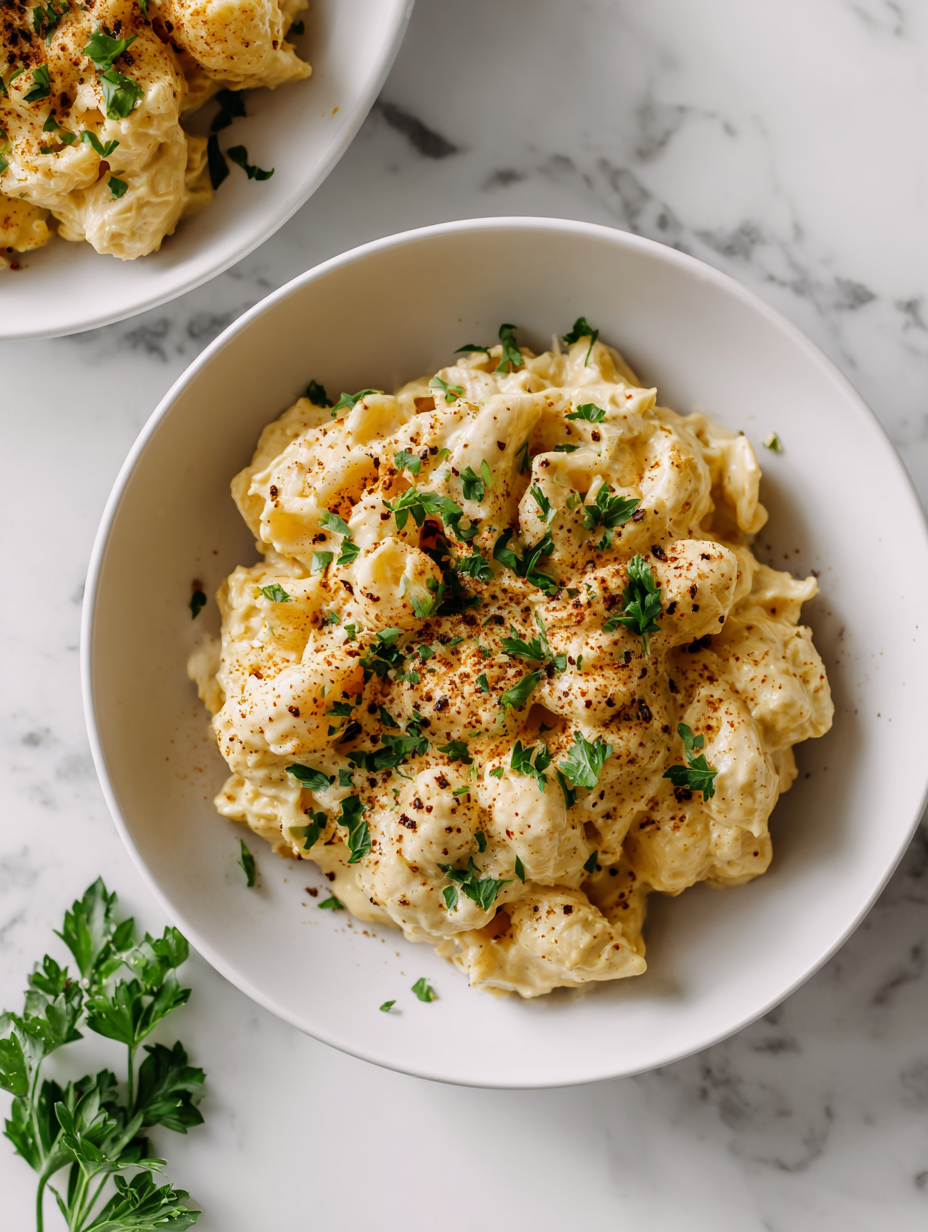
Vegan Mac and Cheese
Ingredients
Equipment
Method
- Drain the soaked cashews and add them to your blender along with nutritional yeast, lemon juice, garlic, plant-based milk, and turmeric. Blend until completely smooth and creamy, about 1-2 minutes, scraping down the sides as needed.
- Bring a large pot of salted water to a boil, then cook the pasta according to package instructions until al dente, about 8-10 minutes. Drain and set aside, saving a little pasta water.
- Pour the cashew sauce into a medium saucepan over medium-low heat. Whisk constantly as it heats, about 3-4 minutes, until it thickens slightly and turns glossy. The aroma of cheesy nuttiness will fill the air.
- Taste the sauce and adjust with a pinch of salt, lemon, or nutritional yeast if desired. If it’s too thick, stir in a splash of reserved pasta water or plant milk to loosen it slightly.
- Add the cooked pasta to the sauce in the saucepan. Toss gently with a spatula or spoon until each piece is coated evenly with the cheesy sauce.
- Transfer the coated pasta mixture into a baking dish. Spread out evenly and sprinkle with a little extra nutritional yeast or smoked paprika for added flavor and color.
- Bake in a preheated oven at 180°C / 356°F for 10-12 minutes, until bubbling around the edges and the top is slightly golden. The kitchen will fill with a warm, cheesy aroma.
- Remove from the oven and let sit for 2-3 minutes. The sauce will thicken a little as it cools, making each bite rich and satisfying.
- Serve hot, garnished with freshly ground black pepper or chopped herbs if desired. Enjoy this cozy, cheesy vegan comfort food!
Pro tips for perfect vegan mac and cheese
- Use raw cashews for a richer, nuttier flavor—soak longer for extra creaminess.
- Add nutritional yeast gradually; it dissolves better and avoids clumping in the sauce.
- Warm the plant-based milk before blending; it emulsifies the sauce smoothly and quickly.
- Stir constantly when heating the sauce to prevent it from scorching or forming lumps.
- Taste and adjust lemon or salt at the end; the sauce can brighten or mellow dramatically.
- For extra cheesy depth, sprinkle a pinch of smoked paprika before baking for smoky aroma.
- Use reserved pasta water to loosen the sauce if it thickens too much during baking.
Common mistakes and how to fix them
- FORGOT to soak cashews? Use hot water for 10 minutes to soften quickly.
- DUMPED the pasta water without saving? Keep a splash for adjusting sauce consistency.
- OVER-TORCHED the sauce? Lower heat and stir constantly to prevent burning and sticking.
- MISSED the taste test? Adjust salt and lemon for balanced flavor before baking.
Quick fixes and pantry swaps
- When sauce is grainy, splash in more warm plant milk and blend again.
- If sauce is too thick, stir in a quick splash of hot water or reserved pasta water.
- Splash cold water on over-torched sauce to stop burning and start fresh if needed.
- Patch a gluey sauce by adding a bit more lemon juice or nutritional yeast for balance.
- Shield sauce from sticking by stirring constantly and keeping heat on medium or lower.
Prep, store, and reheat tips
- Prepare the sauce: Blend cashews, nutritional yeast, lemon, garlic, and milk a day ahead. It firms up slightly in the fridge, so whisk before reheating for smoothness.
- Cook the pasta in advance; it keeps well in an airtight container in the fridge for up to 24 hours. Toss with a little olive oil to prevent sticking.
- Store baked mac and cheese covered in the fridge for 2-3 days. Reheat gently on the stove, stirring often, until hot and creamy, with a slight shimmer of sauce.
- Reheat in the oven at 180°C / 356°F for about 10 minutes, or until bubbling. Add a splash of plant milk if it thickens too much during reheating. Sensory note: smell should be warm, cheesy, with no burnt aroma.
Top questions about vegan mac and cheese
1. Can I skip soaking the cashews?
Soak cashews in hot water for at least 20 minutes to soften and blend smoothly. Skipping this may result in a grainy sauce.
2. What can I use instead of nutritional yeast?
Use nutritional yeast for that cheesy flavor, but miso paste can be a good alternative if you don’t have it, though it adds a different umami note.
3. How important is lemon juice in the recipe?
Add lemon juice to brighten the sauce, making it feel less heavy. Use fresh lemon for a zesty, vibrant flavor.
4. What’s the best plant milk to use?
Choose unsweetened plant-based milks like almond or cashew for a neutral, creamy base. Coconut milk adds richness but can make it sweeter.
5. How do I know when it’s baked enough?
Bake the assembled mac and cheese until bubbling and golden, about 10-12 minutes at 180°C / 356°F. Look for a slightly crispy top.
6. My sauce is too thick after baking, what now?
If the sauce is too thick after baking, stir in a little reserved pasta water or plant milk to loosen it up.
7. How can I ensure my sauce is smooth?
Use a silicone spatula to scrape down your blender for a fully smooth sauce, avoiding graininess.
8. How long does the leftovers last?
Store leftovers in an airtight container in the fridge for up to 3 days. Reheat gently on the stove, stirring often.
9. Any tips for reheating without losing creaminess?
To reheat, warm in a saucepan over low heat, adding a splash of plant milk if needed. It should shimmer and smell cheesy.
10. What if my sauce separates or cracks?
When the sauce cracks or separates, blend it again with a splash of warm plant milk to restore smoothness.
This vegan mac and cheese isn’t just a meal; it’s a reminder that comfort food can be simple and honest. The familiar cheesy aroma, the silky sauce, and the warm, gooey pasta bring a sense of nostalgia that’s hard to replicate with anything else.
Whenever I make this, I think about how accessible ingredients and a little patience can turn out something that tastes like a hug. It’s perfect for cozy nights or when I need a quick, satisfying fix. No matter the occasion, it’s a bowl I always come back to.

Hi, I’m Clara Sage – and welcome to my kitchen of small revelations.
I created The Language of Aha not just as a recipe blog—but as a space to celebrate the little lightbulb moments that happen in the kitchen.