
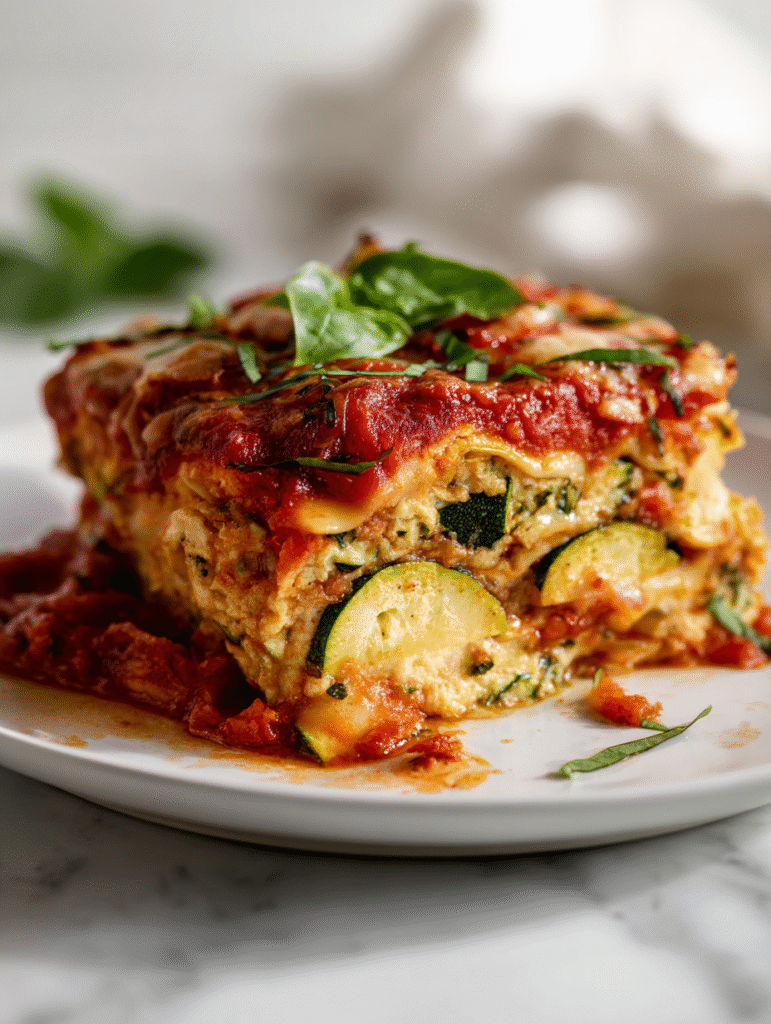
Growing up, Sunday dinners meant a big, bubbling tray of lasagna that filled the entire house with a rich, cheesy aroma. When I switched to vegan cooking, I was worried I’d lose that cozy, familiar feel, but this vegan lasagna proved me wrong. It’s a testament to how plant-based ingredients can mimic and even enhance those classic comfort flavors.
Making this dish feels a bit like a nostalgic act—layering tender noodles with a savory tomato sauce and creamy, cheesy cashew blend. It’s messy in the best way, and the smell alone—roasted garlic, simmering herbs, and that hint of smoky paprika—takes me right back to family kitchens. It’s a recipe that reminds me you don’t need dairy to get that satisfying, cheesy pull.
Focusing on the nostalgic comfort of childhood family dinners, this vegan lasagna aims to recreate that cheesy, saucy warmth using only plant-based ingredients, proving that vegan comfort food can be just as soul-satisfying.
The story behind this recipe
- This recipe was born out of a chaotic Sunday afternoon in my tiny kitchen. I wanted something hearty, familiar, but completely plant-based—something that could bring everyone to the table without the usual cheese and meat. It’s funny how a simple craving for comfort can push you to experiment, and somehow, this lasagna emerged from that scramble.
- I remember the first time I layered the tofu ricotta with roasted veggies and spicy tomato sauce—there was a moment of quiet anticipation as it baked. The smell of garlic and basil filled the house, and I knew I’d stumbled onto something good. Now, it’s become a dish I turn to when I want to feed a crowd or just need a reminder that plant-based doesn’t mean sacrificing flavor.
- story_type
- paragraph
Key ingredients and tips
- Cashews: I love how they turn silky when soaked and blended—creates that cheesy, oozy texture. Skip soaking, and your sauce might be grainy instead of smooth.
- Tomato sauce: I prefer simmering mine slowly with garlic and basil—smells like a Sunday kitchen. If it’s too acidic, a pinch of sugar balances everything out.
- Lasagna noodles: I use whole wheat for a nutty bite, but regular works fine. Make sure they’re cooked just al dente; overcooked noodles turn sticky and floppy.
- Tofu: It’s my secret ricotta—firm, mild, takes on herbs beautifully. If it’s too watery, press out excess moisture before blending.
- Spinach: I wilt it down first—less water, less sogginess. If fresh spinach is scarce, frozen works, just squeeze out the excess moisture.
- Nutritional yeast: Adds that cheesy umami without dairy. I keep it handy for extra flavor boost—sprinkle on top before baking for a golden finish.
- Olive oil: I use a good splash to sauté garlic and herbs—rich, fragrant, helps meld all flavors. If you want less fat, just use a light brush instead of pouring.
Key Ingredients and Quirks
Cashews:
- I love how they turn silky when soaked and blended—creates that cheesy, oozy texture. Skip soaking, and your sauce might be grainy instead of smooth.
- Tomato sauce: I prefer simmering mine slowly with garlic and basil—smells like a Sunday kitchen. If it’s too acidic, a pinch of sugar balances everything out.
- Nutritional yeast: Adds that cheesy umami without dairy. I keep it handy for extra flavor boost—sprinkle on top before baking for a golden finish.
Tofu and Spinach:
- Tofu: It’s my secret ricotta—firm, mild, takes on herbs beautifully. If it’s too watery, press out excess moisture before blending.
- Spinach: I wilt it down first—less water, less sogginess. If fresh spinach is scarce, frozen works, just squeeze out the excess moisture.
Notes for ingredient swaps
- Dairy-Free: Cashew cream can replace traditional cheese for a rich, nutty flavor. It might be a bit thicker and less salty.
- Gluten-Free: Use gluten-free lasagna noodles or thinly sliced zucchini for a lighter, veggie-forward take. Be mindful of cooking times to avoid sogginess.
- Oil-Free: Skip sautéing in oil; instead, dry-sauté garlic and herbs in a non-stick pan or add a splash of vegetable broth for flavor.
- Tomato Variations: Fresh tomato puree can substitute canned sauce, offering a brighter, more vibrant flavor, especially in summer.
- Herb Swap: Fresh basil and oregano are classic, but thyme or rosemary can add a different aromatic note—use sparingly, as they’re stronger.
- Tofu Options: Silken tofu can be blended into a creamier ricotta, but it’s softer and less structured—best for layered dishes that aren’t sliced.
- Noodle Choice: Whole wheat noodles add nuttiness, but rice noodles or eggplant slices work well if you need to avoid wheat or want a different texture.
Equipment & Tools
- 9×13 inch baking dish: To assemble and bake the lasagna.
- Large pot: To cook the noodles.
- Blender: To make smooth tofu ricotta and blend sauces.
- Spatula: To layer ingredients and stir sauces.
Step-by-step guide to vegan lasagna
- Gather your equipment: a 9×13 inch baking dish, a large pot, a blender, and a spatula. Preheat your oven to 180°C (350°F).
- Cook the lasagna noodles in salted boiling water for about 8-10 minutes until al dente. Drain and set aside. Drizzle a little olive oil to prevent sticking.
- Prepare the tofu ricotta: In a blender, combine 14 oz of drained firm tofu, a handful of soaked cashews, lemon juice, nutritional yeast, garlic, and a pinch of salt. Blend until smooth and creamy—taste and adjust seasonings if needed.
- Make the tomato sauce: In a large skillet, heat a tablespoon of olive oil over medium heat. Add minced garlic and chopped onion, sauté until fragrant (about 2-3 minutes). Add canned crushed tomatoes, basil, oregano, salt, and a pinch of smoked paprika. Simmer for 15-20 minutes until thickened and fragrant. Stir occasionally.
- Wilt the spinach: In a pan, sauté fresh spinach until just wilted, about 2 minutes. Squeeze out excess moisture and chop roughly. Mix into the tofu ricotta or layer separately.
- Assemble the lasagna: Spread a thin layer of tomato sauce on the bottom of the baking dish. Layer noodles over the sauce, spread a layer of tofu ricotta, add a layer of spinach, then repeat with sauce and noodles, finishing with a top layer of sauce and a sprinkle of nutritional yeast or vegan cheese if desired.
- Bake uncovered: Place in the oven and bake for 35-40 minutes until bubbling around the edges and the top is golden. If the top browns too quickly, tent with foil.
- Rest and serve: Let the lasagna rest for at least 10 minutes after removing from the oven. This helps it set and makes slicing easier. Serve warm, with a fresh basil garnish if you like.
Let the lasagna rest for at least 10 minutes before slicing. Use a sharp knife to cut clean lines. Serve warm, garnished with fresh basil or parsley if desired.
How to Know It’s Done
- Top is golden and bubbling, edges slightly crispy.
- Filling is hot and firm but not dry when tested with a skewer.
- Noodles are tender but hold shape without falling apart.
Vegan Lasagna
Ingredients
Equipment
Method
- Cook the lasagna noodles in a large pot of salted boiling water for about 8-10 minutes until al dente. Drain and set aside, drizzling with a little olive oil to prevent sticking.
- In a blender, combine the drained tofu, soaked cashews, lemon juice, nutritional yeast, garlic, a pinch of salt, and pepper. Blend until smooth and creamy, scraping down sides as needed. Taste and adjust seasonings if necessary.
- Heat the olive oil in a skillet over medium heat. Add chopped onion and sauté until fragrant and translucent, about 3 minutes. Add crushed tomatoes, chopped basil, salt, and pepper. Simmer for 15-20 minutes until sauce thickens and flavors meld, stirring occasionally.
- In a separate pan, wilt the fresh spinach over medium heat for about 2 minutes until just tender. Squeeze out excess moisture and roughly chop. Mix the wilted spinach into the tofu ricotta for extra flavor and texture.
- Spread a thin layer of the tomato sauce on the bottom of your baking dish. Place a layer of cooked noodles over the sauce, then spread a generous layer of the tofu ricotta mixture on top. Repeat the layering process — noodles, sauce, ricotta, until all ingredients are used, ending with a layer of sauce on top.
- Sprinkle nutritional yeast or vegan cheese on top for a golden finish. Cover the dish with foil and bake in a preheated oven at 180°C (350°F) for 35-40 minutes until bubbling and heated through.
- Remove the foil and bake for an additional 5 minutes if you'd like a crispier top. Let the lasagna rest for at least 10 minutes before slicing—this helps it set and makes serving easier.
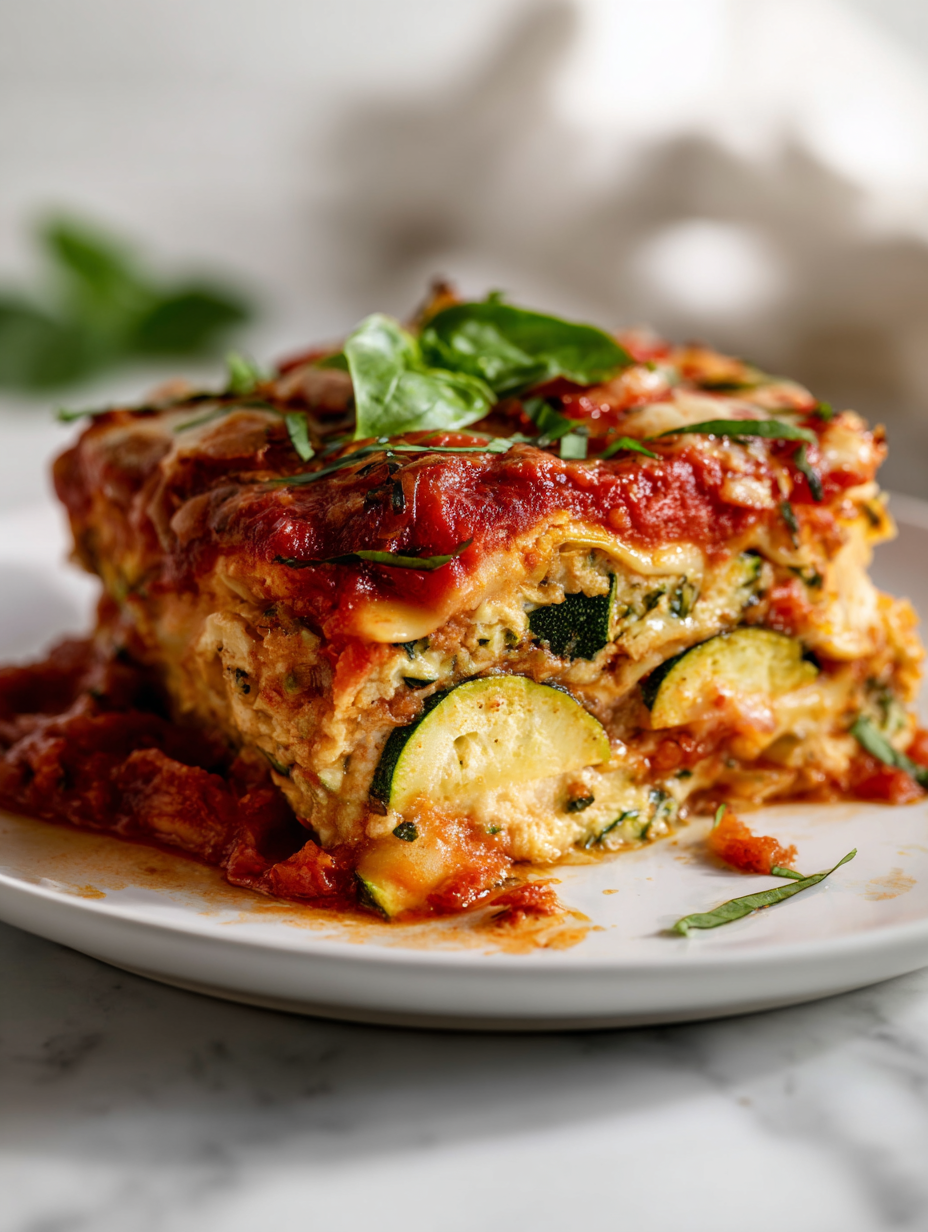
- Slice into portions with a sharp knife, revealing the tender noodles, cheesy filling, and rich tomato sauce. Serve warm, garnished with fresh basil if desired, and enjoy a comforting, plant-based feast.
Tips & Tricks for Perfect Lasagna
- Bold Layers: Keep your layers even—use the back of a spoon to spread sauces smoothly for consistent bites.
- Sensory Check: When sautéing garlic, smell should turn fragrant and slightly nutty before adding other ingredients.
- Noodle Al Dente: Cook noodles just shy of fully tender; they’ll soften more during baking and prevent mushiness.
- Cheese Texture: Soak cashews thoroughly—at least 4 hours—until they’re soft enough to blend into a silky sauce.
- Sauce Simmer: Let your tomato sauce simmer gently on low, about 20 minutes, until it thickens and the herbs release aroma.
- Rest Before Slicing: Allow the lasagna to sit for 10 minutes after baking—this helps it set and slice cleanly.
- Broil for Finish: If top isn’t golden enough, briefly broil on high for 2-3 minutes, watching carefully to avoid burning.
Common mistakes and how to fix them
- FORGOT to preheat oven → Always preheat for even baking and better crust.
- DUMPED cheese substitute too early → Add cheese topping in last 10 minutes, for golden color.
- OVER-TORCHED edges → Cover with foil if edges brown too fast during baking.
- SKIPPED resting time → Rest lasagna at least 10 minutes for cleaner slices and better texture.
Quick fixes and pantry swaps
- When sauce is too thick, splash in warm water and stir until smooth.
- If noodles stick together, rinse with cold water immediately after boiling.
- Splash a little lemon juice on spinach to brighten flavor if it tastes flat.
- Patch over a burnt edge with foil to shield it from further browning.
- DUMPED in too much salt? Rinse the layer quickly with cold water to dilute excess.
Prep, store, and reheat tips
- Assemble the lasagna a day in advance; keep covered in the fridge to let flavors meld and develop rich aromas. The noodles absorb the sauce overnight, resulting in a more cohesive dish.
- Store leftovers in an airtight container in the refrigerator for up to 4 days. The lasagna will lose some of its initial creaminess but remains flavorful and comforting.
- For longer storage, freeze individual portions or the whole dish wrapped tightly in foil and a layer of plastic wrap. It can last up to 2 months. Thaw overnight in the fridge before reheating.
- Reheat in the oven at 180°C (350°F) for about 20-25 minutes until steaming hot and bubbling around the edges. Cover loosely with foil to prevent drying out. The smell of baked tomato and herbs will fill your kitchen again, inviting you to dig in.
Top questions about vegan lasagna
1. Can I use other types of tofu or plant-based cheeses?
Use firm tofu blended with nutritional yeast and herbs to mimic ricotta. It’s creamy and mild, with a cheesy undertone.
2. Can I make this gluten-free?
Yes, you can swap in zucchini slices or eggplant for noodles if you want a gluten-free version. Just watch the baking time to prevent sogginess.
3. Do I need to soak the cashews beforehand?
Soaking cashews for at least 4 hours makes the sauce silky. If in a hurry, boil them for 10 minutes to soften.
4. How long can I keep leftovers?
Store leftovers in an airtight container in the fridge for up to 4 days. Reheat at 180°C (350°F) until steaming, about 20 minutes.
5. How should I serve and cut it?
Use a sharp knife and let the lasagna rest for at least 10 minutes after baking. It helps it set and makes slicing cleaner.
6. Can I prepare this in advance?
You can assemble the dish a day ahead, cover it tightly, and bake just before serving for the best flavor and texture.
7. What if the top gets burnt?
If the top browns too quickly, tent with foil during baking. For extra golden color, broil for 2-3 minutes at the end.
8. Can I freeze leftovers?
Frozen vegan lasagna can last up to 2 months. Thaw overnight in the fridge, then reheat in the oven until hot and bubbly.
9. How do I fix bland or too acidic sauce?
Adjust seasonings if your sauce tastes flat or too acidic. A pinch of sugar or a squeeze of lemon brightens flavors.
10. Can I change the herbs?
Use fresh basil or oregano for vibrant flavor, but rosemary or thyme can add an unexpected aromatic twist—just use sparingly.
This vegan lasagna isn’t just about nostalgia; it’s about proving plant-based comfort food can be deep, satisfying, and full of flavor. Every bite carries a bit of that homey warmth, with the aroma of garlic, herbs, and roasted veggies filling the kitchen.
When you serve it, you’re sharing more than just a meal—you’re offering a moment of familiarity and care, built layer by layer. It’s a dish that invites slow, mindful eating and reminds us that good food doesn’t need dairy to feel indulgent.

Hi, I’m Clara Sage – and welcome to my kitchen of small revelations.
I created The Language of Aha not just as a recipe blog—but as a space to celebrate the little lightbulb moments that happen in the kitchen.