
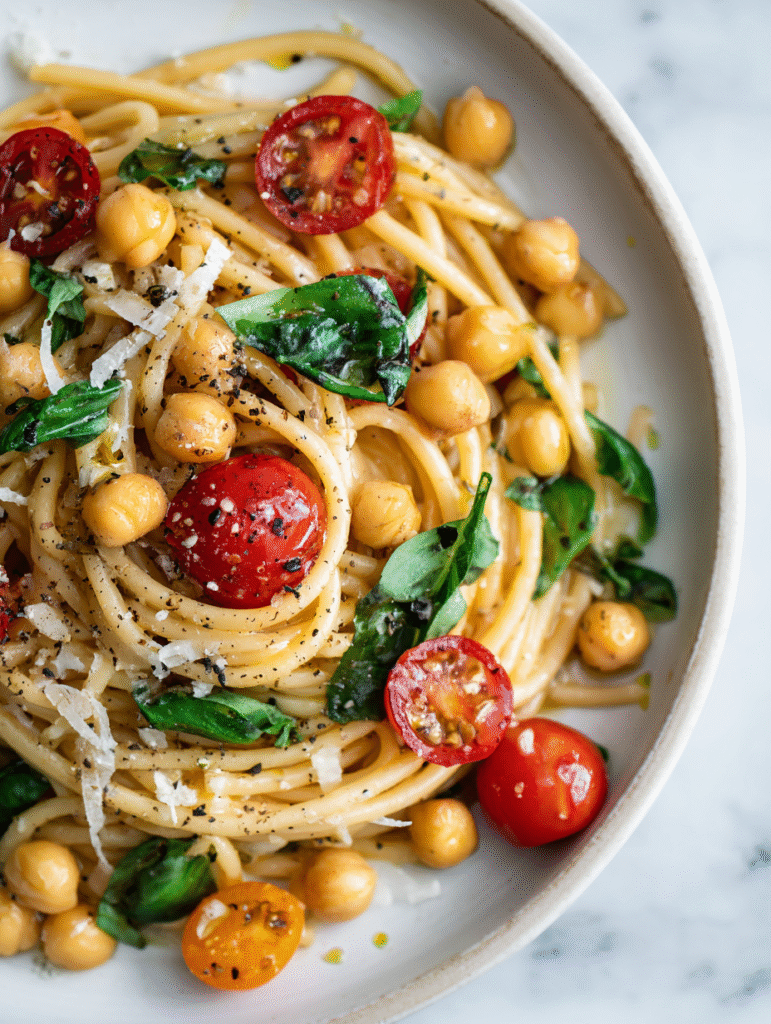
This vegan chickpea pasta is a secret weapon in my weeknight rotation. It’s a humble dish, but when you blend those canned chickpeas into a silky sauce, it feels like you’ve stumbled onto some culinary miracle. No fancy ingredients, just good, honest pantry staples turned into something surprisingly creamy and satisfying.
What I love most is how versatile it is. You can toss in leftover roasted veggies or sprinkle some fresh herbs on top. It’s a reminder that comfort doesn’t need to be complicated, especially when you’re working with ingredients that are always within reach. Plus, it’s a gentle nudge to look at those chickpeas in your cupboard with new eyes.
Focusing on transforming humble canned chickpeas into a creamy pasta sauce that mimics traditional comfort foods, but with a plant-based twist that surprises your taste buds.
The story behind this recipe
- This dish came together during a lazy weekend when I was digging through my pantry, craving something hearty but simple. I remembered how canned chickpeas can be transformed into something unexpectedly luxurious with just a few quick whizzes in the blender. That moment of inspiration was all about turning everyday ingredients into a comforting, plant-based pasta that feels indulgent without the fuss.
- I often think about how a humble pantry staple like chickpeas can surprise you. One day, I accidentally overcooked some pasta and didn’t want it to go to waste. Blending chickpeas into a sauce seemed like a good save—creamy, satisfying, and versatile. Now, I keep this recipe handy for busy nights or when I need a quick, nourishing meal that feels like a little culinary secret.
- heading
Key Ingredients and Tips
- Canned chickpeas: I mash these until smooth, their mild nuttiness gets amplified with a splash of lemon juice—use fresh for that zesty pop to brighten the sauce.
- Olive oil: I drizzle a good amount into the blender; it helps everything emulsify into silky cream. Skip if you want a lighter version, but it makes a noticeable difference in richness.
- Garlic: I sauté minced garlic in a bit of oil first, until golden and fragrant—this deepens the flavor and prevents raw sharpness in the sauce.
- Nutritious add-ins: I toss in a handful of spinach or kale while blending—adds color, a healthy boost, and a slight earthiness that balances the chickpeas’ creaminess.
- Pasta: I prefer a hearty shape like rigatoni or fusilli—holds onto the sauce better, and the texture contrasts nicely with the smooth chickpea blend.
- Seasonings: I season generously with salt, pepper, and a pinch of smoked paprika—these elevate the dish from simple to deeply satisfying with a smoky undertone.
- Lemon: I finish with a bright squeeze of lemon juice—just enough to make the flavors pop and cut through the creaminess with a zing.
Spotlight on key ingredients
Canned chickpeas:
- I mash these until smooth, their mild nuttiness gets amplified with a splash of lemon juice—use fresh for that zesty pop to brighten the sauce.
- Olive oil: I drizzle a good amount into the blender; it helps everything emulsify into silky cream. Skip if you want a lighter version, but it makes a noticeable difference in richness.
- Garlic: I sauté minced garlic in a bit of oil first, until golden and fragrant—this deepens the flavor and prevents raw sharpness in the sauce.
Lemon and greens:
- Lemon: I finish with a bright squeeze of lemon juice—just enough to make the flavors pop and cut through the creaminess with a zing.
- Spinach or kale: I toss in a handful while blending—adds color, a healthy boost, and a slight earthiness that balances the chickpeas’ creaminess.
Notes for ingredient swaps
- Canned Chickpeas: I mash these until smooth, their mild nuttiness gets amplified with a splash of lemon juice—use fresh for that zesty pop to brighten the sauce.
- Olive Oil: I drizzle a good amount into the blender; it helps everything emulsify into silky cream. Skip if you want a lighter version, but it makes a noticeable difference in richness.
- Garlic: I sauté minced garlic in a bit of oil first, until golden and fragrant—this deepens the flavor and prevents raw sharpness in the sauce.
- Greens (Spinach or Kale): I toss in a handful while blending—adds color, a healthy boost, and a slight earthiness that balances the chickpeas’ creaminess.
- Pasta Shapes: I prefer a hearty shape like rigatoni or fusilli—holds onto the sauce better, and the texture contrasts nicely with the smooth chickpea blend.
- Seasonings: I season generously with salt, pepper, and a pinch of smoked paprika—these elevate the dish from simple to deeply satisfying with a smoky undertone.
- Lemon Juice: I finish with a bright squeeze of lemon juice—just enough to make the flavors pop and cut through the creaminess with a zing.
Equipment & Tools
- Large pot: Boil pasta
- Blender or immersion mixer: Create a smooth chickpea sauce
- Skillet: Warm and combine the sauce with pasta
- Wooden spoon: Stir and mix ingredients
Step-by-step guide to chickpea pasta
- Gather your equipment: a large pot for boiling pasta, a blender or immersion mixer, a skillet, and a wooden spoon.
- Bring a large pot of salted water to a boil at 100°C (212°F). Add your pasta (preferably rigatoni or fusilli) and cook until al dente, about 8-10 minutes.
- While the pasta cooks, drain and rinse a can of chickpeas. Reserve a few for garnish if desired.
- In the blender, combine chickpeas, 3 tablespoons olive oil, 2 cloves garlic (sautéed until fragrant), a squeeze of lemon juice, salt, pepper, and smoked paprika. Blend until smooth and velvety. If too thick, add a splash of water or plant-based milk until you reach your desired consistency.
- In the skillet, heat a teaspoon of olive oil over medium heat. Add a minced garlic clove and cook until golden and fragrant, about 30 seconds. Pour in the chickpea sauce and warm it gently, stirring occasionally, for about 2-3 minutes. Adjust seasoning as needed.
- Drain the cooked pasta, reserving a small cup of pasta water. Toss the pasta into the skillet with the chickpea sauce, adding a splash of pasta water if it needs loosening. Mix well until coated and heated through, about 1-2 minutes.
- Check the sauce: it should be creamy and clingy, with a bright lemon aroma and a slight smoky undertone. The pasta should be hot and coated evenly.
- Remove from heat. Rest for a minute, then plate the pasta. Garnish with the reserved chickpeas, a drizzle of olive oil, and fresh herbs if you like. Serve immediately.
Serve immediately while hot. Garnish with reserved chickpeas, fresh herbs, and a drizzle of olive oil. Enjoy the creamy, savory contrast of chickpeas and lemon in every bite.
How to Know It’s Done
- Pasta is cooked al dente with a slight bite.
- Sauce is smooth, creamy, and bright from lemon.
- Pasta is evenly coated, with a glossy appearance.
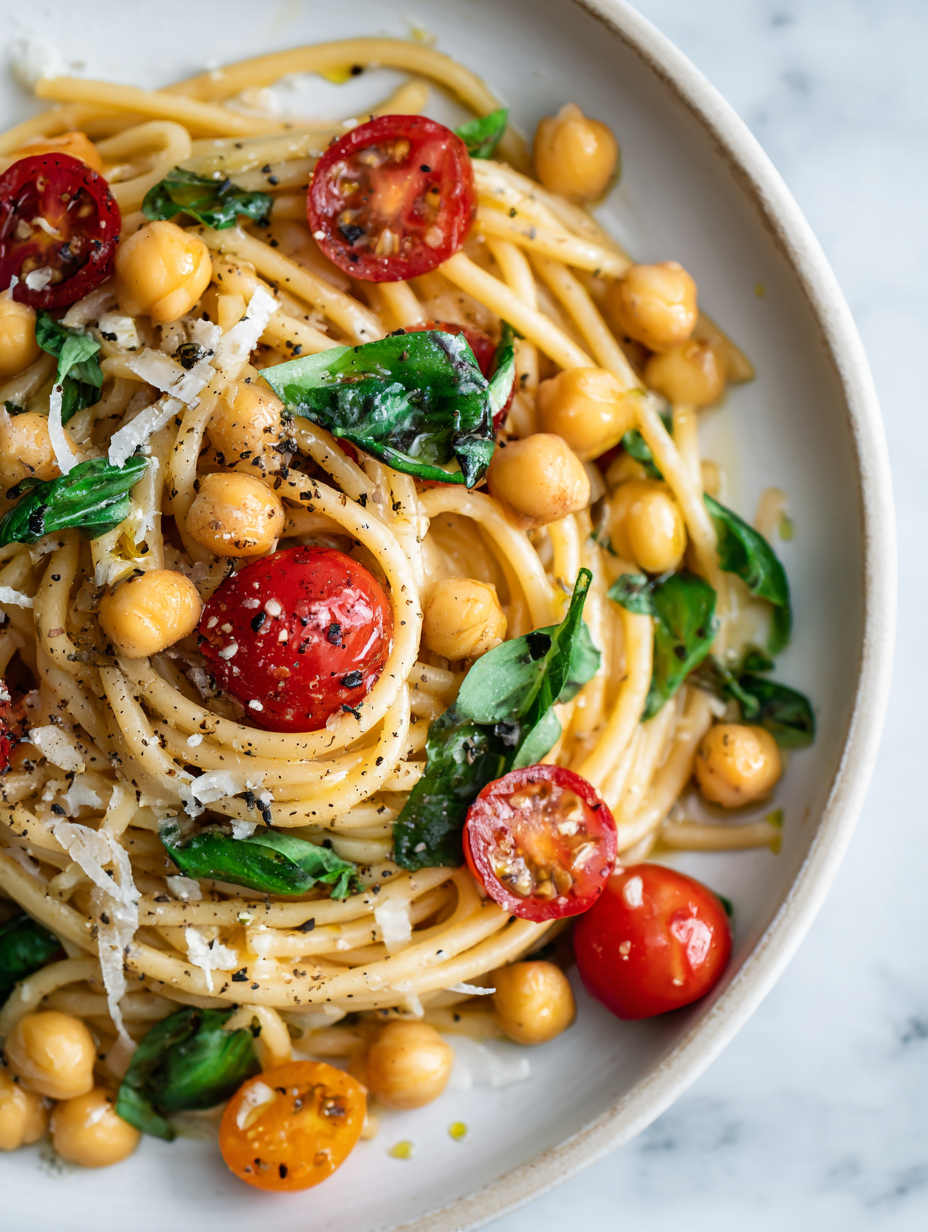
Vegan Chickpea Pasta
Ingredients
Equipment
Method
- Bring a large pot of salted water to a rolling boil. Add your pasta and cook until just al dente, about 8-10 minutes, until it’s tender but still has a slight bite. Drain and set aside.
- While the pasta cooks, drain and rinse the canned chickpeas well. This removes excess salt and preserves the mild nuttiness. Reserve a few chickpeas for garnish if you like.
- In a blender or with an immersion mixer, combine the chickpeas, olive oil, a pinch of smoked paprika, salt, pepper, and the juice of half a lemon. Blend until the mixture is smooth, creamy, and velvety, adding a splash of water or plant-based milk to loosen if needed. You should have a thick, silky sauce that’s bright and inviting.
- In a skillet, warm a teaspoon of olive oil over medium heat. Add the minced garlic and sauté for about 30 seconds, until fragrant and golden—this releases a sweet aroma that deepens the flavor of the sauce.
- Pour the blended chickpea sauce into the skillet with the garlic. Warm gently for 2-3 minutes, stirring occasionally, until the sauce is heated through and slightly thickened. Taste and adjust seasoning with more salt, pepper, or lemon juice if needed.
- Add the cooked pasta to the skillet, tossing to coat evenly with the chickpea sauce. If the sauce seems too thick, splash in a little reserved pasta water to loosen it up and create a glossy, silky coating.
- Stir in the handful of greens, allowing them to wilt slightly into the sauce, and squeeze in the remaining lemon juice for a fresh, zesty finish. Cook for another minute to meld all the flavors together.
- Remove from heat and transfer the pasta to plates. Garnish with a few reserved chickpeas, a drizzle of olive oil, and additional herbs if desired. Serve immediately while hot and creamy.
Notes
Pro tips for perfect chickpea pasta
- Use freshly squeezed lemon juice to brighten the sauce with a crisp, zesty note.
- Sauté garlic gently until golden—this releases sweetness and avoids bitter burnt flavors.
- Emulsify olive oil well in the blender for a silky, cohesive sauce texture.
- Reserve pasta water and add a splash when mixing—this helps the sauce cling and smooths out thickness.
- Keep an eye on the chickpeas during blending—over-processing can make the sauce grainy, so blend just until smooth.
- For extra creaminess, add a teaspoon of tahini or a splash of plant-based milk, but taste and adjust seasoning afterward.
Common mistakes and how to fix them
- FORGOT to drain chickpeas thoroughly → Rinse well to remove excess salt and canning liquid.
- DUMPED hot pasta into sauce → Let pasta cool slightly before mixing to prevent clumping.
- OVER-TORCHED garlic → Sauté garlic over medium, watch for golden aroma, not brown or bitter.
- MISSED seasoning balance → Taste and adjust salt, lemon, and smoked paprika for depth.
Quick fixes and pantry swaps
- When sauce is too thick, splash in warm water and blend again for silkiness.
- If chickpeas are grainy, pulse briefly instead of blending until smooth.
- Splash lemon juice when blending for a bright, zingy lift.
- Patch over-salted sauce with a teaspoon of olive oil and a squeeze of lemon.
- Shield overcooked pasta by tossing it quickly in hot water for a quick reheat.
Prep, store, and reheat tips
- Cook and drain the pasta ahead of time; store in an airtight container for up to 2 days. Reheat until steaming, adding a splash of water for moisture.
- Prepare the chickpea sauce in advance; keep refrigerated for up to 3 days. Warm gently on the stove, stirring until smooth and fragrant, with a slight shimmer from olive oil.
- Blended chickpea mixture can be frozen in small portions for up to 1 month. Thaw overnight in the fridge, then reheat with a splash of water or plant-based milk.
- Garnishes like fresh herbs and lemon zest are best added just before serving for maximum brightness and freshness, especially after storage.
- Avoid storing cooked pasta with sauce for too long—texture can become mushy. Best enjoyed within a day for optimal creaminess and flavor.
Top questions about chickpea pasta
1. Can I use dried chickpeas instead?
Yes, canned chickpeas blend smoothly and create a creamy, mild sauce with a nutty undertone, perfect for a quick vegan meal.
2. How do dried chickpeas compare?
Absolutely. Soak dried chickpeas overnight, then boil until soft. Blend as you would with canned for similar results.
3. Can I add other vegetables?
Yes, adding roasted vegetables or sautéed mushrooms can elevate the dish with extra texture and umami flavor.
4. Is this recipe gluten-free?
Yes, you can make this dish gluten-free by choosing gluten-free pasta options like rice or corn pasta.
5. Can I make it more creamy?
A splash of plant-based milk can make the sauce even creamier if you prefer a richer texture.
6. What if the sauce is too thick?
If the sauce becomes too thick, stir in a little warm water or pasta cooking water until it reaches your preferred consistency.
7. Can I substitute the olive oil?
Using a high-quality extra virgin olive oil adds richness and depth to the sauce, but a lighter oil works if preferred.
8. How can I boost flavor?
Adding a pinch of smoked paprika or nutritional yeast can enhance flavor and depth, mimicking cheesy or smoky notes.
9. Can I make this ahead?
Yes, you can prepare the sauce ahead, store it refrigerated for up to 3 days, then reheat gently on the stove until steaming.
10. How do I reheat leftovers?
This dish is best enjoyed fresh, but leftovers can be reheated gently, ensuring to stir well and add a splash of water if needed.
This pasta feels like a little secret in my kitchen, something that turns humble ingredients into comfort on a plate. It’s honest, straightforward, and just a bit surprising in how creamy and satisfying chickpeas can be.
In a world of trendy ingredients and complicated recipes, this one keeps it real. It’s a reminder that sometimes, the simplest things—like a bowl of pasta and a handful of pantry staples—can bring a moment of honest nourishment and quiet joy.

Hi, I’m Clara Sage – and welcome to my kitchen of small revelations.
I created The Language of Aha not just as a recipe blog—but as a space to celebrate the little lightbulb moments that happen in the kitchen.