
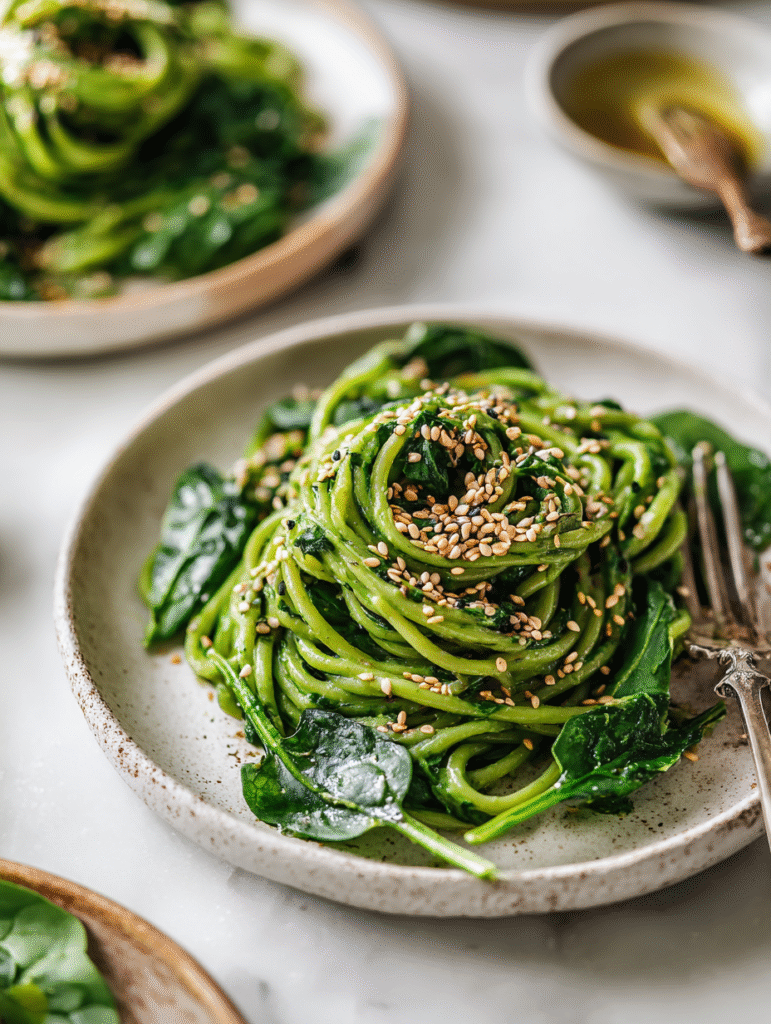
Vegan spinach pasta might seem simple, but there’s a quiet elegance in balancing those earthy greens with a silky, nutty sauce. It’s the kind of dish that doesn’t demand much but rewards your patience with rich, layered flavors. I’ve found that focusing on the harmony between the spinach and the sauce can turn a quick weeknight meal into something really satisfying.
This recipe came together one busy evening when I realized I had a bunch of fresh spinach and a jar of tahini that needed using. Instead of a boring salad, I threw everything into a pot and stirred until it was creamy and bright. That moment of discovery — tasting that velvety sauce cling to every strand of pasta — made me see how simple ingredients, treated right, can make a dish that feels both nourishing and special.
Focusing on the overlooked art of balancing earthy greens with creamy, nutty sauces in a quick, everyday vegan pasta.
The story behind this recipe
- This recipe was born from a lazy Sunday afternoon when I found a bunch of wilted spinach lurking at the bottom of the fridge. Instead of tossing it, I remembered how my grandma used to toss spinach into everything — soups, pastas, even scrambled tofu. That memory of her rushing around the kitchen, elbows thick with flour, inspired me to find a way to make greens feel easy and satisfying.
- One evening, I threw the spinach into a hot pan with garlic and olive oil, then blended it with a splash of coconut milk to keep it vegan. The creamy, vibrant sauce clung to the pasta better than I expected, and I realized how much I missed that simplicity. Now, it’s become my go-to for quick dinners that somehow feel like a hug after a long day.
- heading
- story_type
Key ingredients and their quirks
- Fresh spinach: I love the bright, slightly bitter bite it adds, especially when wilted just right. If you prefer milder greens, kale works but needs longer cooking.
- Garlic: It’s the aromatic backbone, and I crush it fresh for that pungent, sweet aroma. Use less if you want a subtler background, or toast it lightly for nuttiness.
- Olive oil: I drizzle it generously to help the greens wilt and create a silky base. For a lighter touch, cut back or swap with avocado oil for a milder flavor.
- Nutritional yeast: This gives the sauce a cheesy, nutty depth with a slightly cheesy aroma. If you’re out, a pinch of miso can mimic that umami kick.
- Pasta: I prefer a rougher, whole-grain type for texture, but regular spaghetti works just fine. Cook until al dente — it helps the sauce cling better and keeps the bite firm.
- Lemon juice: Brightens everything up with a zing that cuts through the richness. Skip if you want a more subdued flavor, but don’t skip the zest for extra pop.
- Salt & pepper: Essential for balancing flavors. I taste and adjust at the end, aiming for a well-rounded, vibrant dish that’s not too salty or flat.
Spotlight on key ingredients
Spinach:
- Fresh spinach: Its vibrant, slightly bitter aroma intensifies when wilted. Watch for a tender, bright green; overcooking dulls the color and flavor.
- Garlic: The pungent, sweet scent blooms as it cooks. Mince it finely to evenly distribute and avoid bitter undertones if burnt.
Nutritional yeast and Olive oil:
- Nutritional yeast: Its cheesy, nutty aroma turns almost creamy during blending. Use a good quality brand for depth, or substitute with miso for umami punch.
- Olive oil: It helps the greens wilt and creates a silky sauce base. The fruity aroma intensifies when heated; opt for extra virgin for best flavor.
Notes for ingredient swaps
- Fresh Spinach: I love the bright, slightly bitter bite it adds, especially when wilted just right. If you prefer milder greens, kale works but needs longer cooking.
- Garlic: It’s the aromatic backbone, and I crush it fresh for that pungent, sweet aroma. Use less if you want a subtler background, or toast it lightly for nuttiness.
- Olive Oil: I drizzle it generously to help the greens wilt and create a silky base. For a lighter touch, cut back or swap with avocado oil for a milder flavor.
- Nutritional Yeast: This gives the sauce a cheesy, nutty depth with a slightly cheesy aroma. If you’re out, a pinch of miso can mimic that umami kick.
- Pasta: I prefer a rougher, whole-grain type for texture, but regular spaghetti works just fine. Cook until al dente — it helps the sauce cling better and keeps the bite firm.
- Lemon Juice: Brightens everything up with a zing that cuts through the richness. Skip if you want a more subdued flavor, but don’t skip the zest for extra pop.
- Salt & Pepper: Essential for balancing flavors. I taste and adjust at the end, aiming for a well-rounded, vibrant dish that’s not too salty or flat.
Equipment & Tools
- Large pot: Boil pasta quickly and evenly.
- Skillet: Sauté garlic and wilt spinach.
- Blender: Puree the greens into a smooth sauce.
- Measuring cups and spoons: Accurately measure ingredients.
- Ladle or slotted spoon: Drain pasta efficiently.
Step-by-step guide to vegan spinach pasta
- Gather your tools: a large pot for boiling pasta, a skillet for sautéing, and a blender for sauce. Fill with water, add a pinch of salt, and bring to a rolling boil at 100°C (212°F).
- Cook the pasta: Add pasta to boiling water, stir to prevent sticking, and cook until just al dente, about 8-10 minutes. Drain, but reserve ½ cup of pasta water.
- While pasta cooks, prep the greens: rinse a big handful of fresh spinach until clean. Drain thoroughly to prevent excess water in the sauce.
- Sauté garlic: In the skillet, heat 2 tbsp olive oil over medium heat (about 160°C / 320°F). Add 2 minced garlic cloves, cook until fragrant, about 30 seconds. Watch for a golden hue, not brown.
- Wilt the spinach: Add spinach to the skillet, stir until just wilted, about 1-2 minutes. If it releases too much water, cook a bit longer to evaporate excess moisture.
- Make the sauce: Transfer sautéed garlic and spinach to the blender. Add 2 tbsp tahini, 1 tbsp lemon juice, a pinch of nutritional yeast, salt, and pepper. Blend until smooth, adding reserved pasta water a tablespoon at a time to reach silky consistency.
- Combine pasta and sauce: Toss drained pasta into the skillet or a mixing bowl. Pour the spinach sauce over, stirring gently to coat every strand evenly. Warm through on low heat if needed, about 1-2 minutes.
- Finish with a squeeze of lemon and a drizzle of olive oil. Taste and adjust seasoning if necessary. The sauce should be velvety, with a fresh, bright flavor.
- Rest briefly: Let the pasta sit for 2 minutes to settle flavors. Serve immediately, garnished with extra pepper or a sprinkle of nutritional yeast if desired.
Let the pasta sit for 2 minutes off heat to meld flavors. Serve hot, garnished with optional extra pepper or nutritional yeast for added depth.
How to Know It’s Done
- Pasta is al dente, with a slight bite when tested.
- Sauce is bright green, velvety, and coats pasta evenly without separation.
- Spinach is wilted but still vibrant, with no excess watery residue.
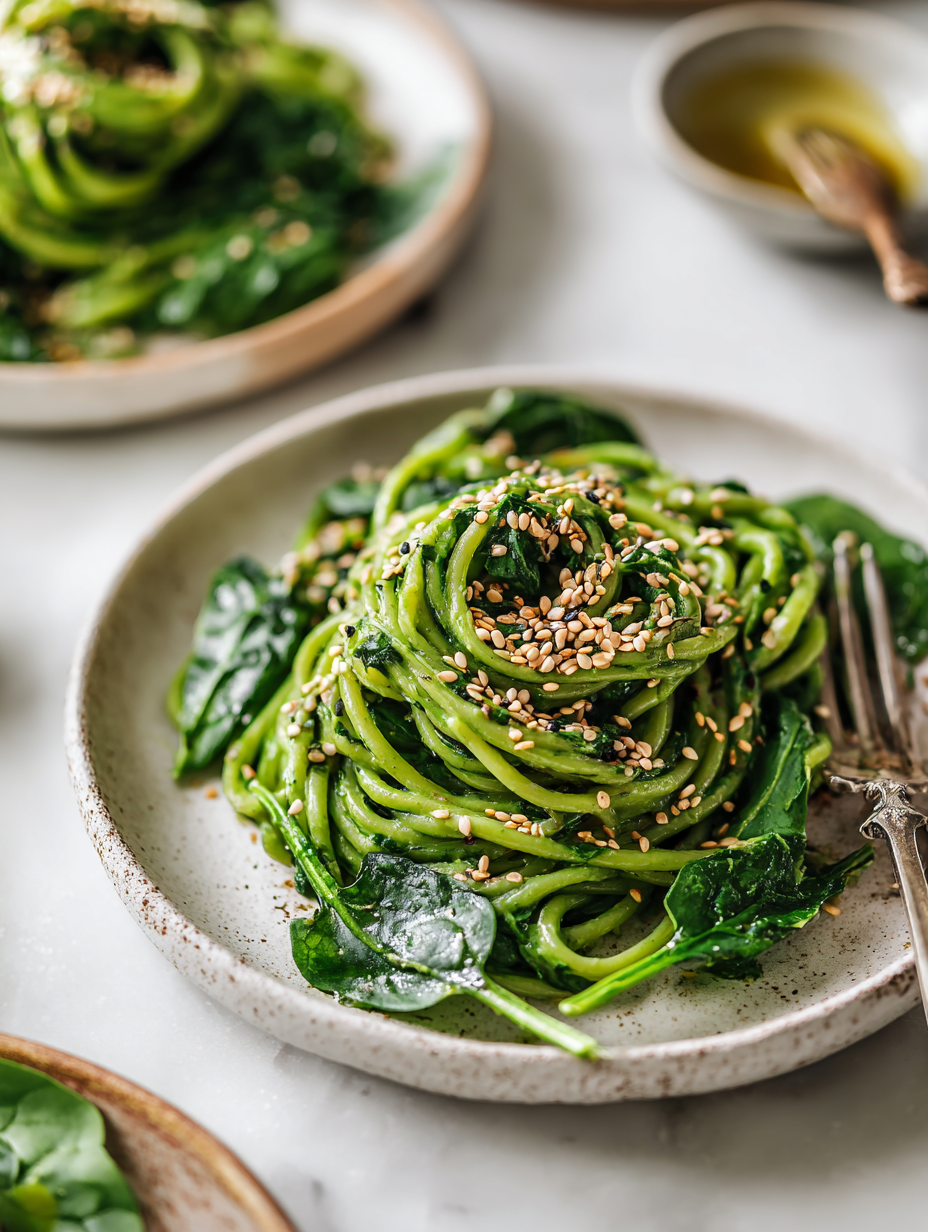
Vegan Spinach Pasta with Nutty Tahini Sauce
Ingredients
Equipment
Method
- Fill a large pot with water, add a generous pinch of salt, and bring it to a rolling boil over high heat.
- Add the pasta to the boiling water and cook until just al dente, about 8-10 minutes. Stir occasionally to prevent sticking. Drain the pasta, reserving about half a cup of the starchy cooking water.
- While the pasta cooks, rinse the fresh spinach thoroughly and drain well. Set aside.
- Heat the olive oil in a skillet over medium heat until it shimmers and begins to smell fragrant.
- Add the minced garlic to the skillet and sauté for about 30 seconds until it becomes aromatic and slightly golden, but not browned.
- Add the spinach to the skillet and stir constantly until wilted and vibrant green, about 1-2 minutes. If the spinach releases excess water, cook a bit longer until most of the moisture evaporates.
- Transfer the cooked spinach and garlic mixture to a blender. Add tahini, lemon juice, nutritional yeast, a pinch of salt and pepper, and a few tablespoons of the reserved pasta water.
- Blend until smooth and creamy, adding more pasta water a tablespoon at a time if needed to reach a silky, pourable consistency.
- Return the drained pasta to the pot or a large mixing bowl, then pour the spinach sauce over it. Toss gently to coat all the noodles evenly with the velvety sauce.
- Warm the coated pasta over low heat for 1-2 minutes if needed, stirring gently to reheat without breaking the noodles.
- Squeeze a little extra lemon juice over the top, drizzle with a splash of olive oil, and taste to adjust seasoning with salt and pepper. Serve immediately for a bright, creamy, and vibrant pasta dish.
Notes
Pro tips for perfect vegan spinach pasta
- Use fresh garlic for a vibrant, pungent aroma that infuses the entire dish.
- Wilt the spinach quickly over medium heat until just vibrant and tender, to preserve color and flavor.
- When blending, add pasta water gradually to achieve a smooth, silky sauce that clings well.
- Drizzle olive oil at the end for a glossy finish and to enhance the nuttiness of the sauce.
- Taste and adjust seasoning with salt and lemon before serving to brighten all flavors.
- Keep an eye on pasta—al dente is key; overcooked pasta turns mushy and less receptive to sauce.
- Lightly toast garlic until fragrant but not browned to avoid bitterness and bring out sweetness.
Common mistakes and how to fix them
- FORGOT to keep pasta water salted; fix by adding salt early in boiling.
- DUMPED greens too quickly; sauté longer until wilted and fragrant before blending.
- OVER-TORCHED garlic; lower heat to medium and stir constantly to avoid bitterness.
- UNDERSALTED sauce; taste and adjust seasoning before serving for balanced flavor.
Quick fixes and pantry swaps
- If sauce is too thick, splash in warm water and blend again until silky.
- When greens are wilted but dull, add a squeeze of lemon for brightness.
- Splash olive oil on pasta if it sticks together after draining.
- Patch over-salted sauce with a splash of plant-based milk or more pasta water.
- Shield burnt garlic by removing it quickly and starting fresh with new garlic.
Prepping and storing tips
- Prep the spinach: wash and wilt the greens lightly; store in an airtight container for up to 2 days, retaining their bright color and fresh aroma.
- Cook the pasta ahead: boil until al dente, drain, and toss with a little olive oil to prevent sticking. Keep in the fridge for up to 1 day, reheating with a splash of water or plant-based milk to restore moisture.
- Make the sauce in advance: blend the cooked greens, garlic, and seasonings. Store in a sealed jar or container for up to 2 days, the flavor deepening slightly in the fridge.
- Reheat carefully: warm the sauce gently on low heat, stirring frequently until velvety and fragrant again. Reheat pasta separately, then toss with the sauce just before serving for best texture.
- Sensory note: the sauce may thicken slightly in storage; add a splash of warm water or plant milk during reheating to restore its silky texture and vibrant flavor.
Top questions about vegan spinach pasta
1. Can I use frozen spinach?
Use fresh, vibrant spinach for the best flavor and color. Frozen can work, but it releases more water and dulls the green.
2. Can I substitute frozen spinach?
Yes, but drain and squeeze out excess water first to prevent a watery sauce. Frozen spinach is softer, so adjust cooking time accordingly.
3. Can I swap the greens?
Absolutely. Kale, arugula, or chard can add different flavors and textures, but they may need longer cooking or different seasoning.
4. My sauce is grainy, how do I fix it?
The key is to blend the greens until smooth and velvety. If the sauce feels grainy, blend a bit longer or add more pasta water.
5. Can I omit nutritional yeast?
Use a good quality nutritional yeast for cheesy depth. Miso paste can also work, but it adds a different umami note.
6. Can I make the sauce creamier?
Yes. For a richer, creamier sauce, add a splash of coconut milk or cashew cream during blending.
7. How long should I cook the pasta?
Cook pasta until just al dente, about 8-10 minutes. Overcooking makes it mushy and less able to absorb the sauce.
8. How do I season the dish?
Taste and adjust seasoning at the end. A squeeze of lemon brightens, and extra pepper adds a slight bite.
9. How do I reheat leftovers?
Reheat gently on low, stirring until warm. Add a splash of water or plant milk if it thickens too much.
10. Why is this recipe relevant now?
This dish is quick, nourishing, and perfect for busy weeknights. It’s a simple way to enjoy greens without fuss.
This dish is a reminder that even the simplest ingredients can come together in a way that feels both familiar and fresh. It’s quick, honest cooking that fits into busy days but still offers a moment of satisfaction in every bite.
In a world full of flashy recipes, sometimes it’s the humble greens and a handful of pantry staples that truly nourish us—without fuss, just real, honest flavor.

Hi, I’m Clara Sage – and welcome to my kitchen of small revelations.
I created The Language of Aha not just as a recipe blog—but as a space to celebrate the little lightbulb moments that happen in the kitchen.