
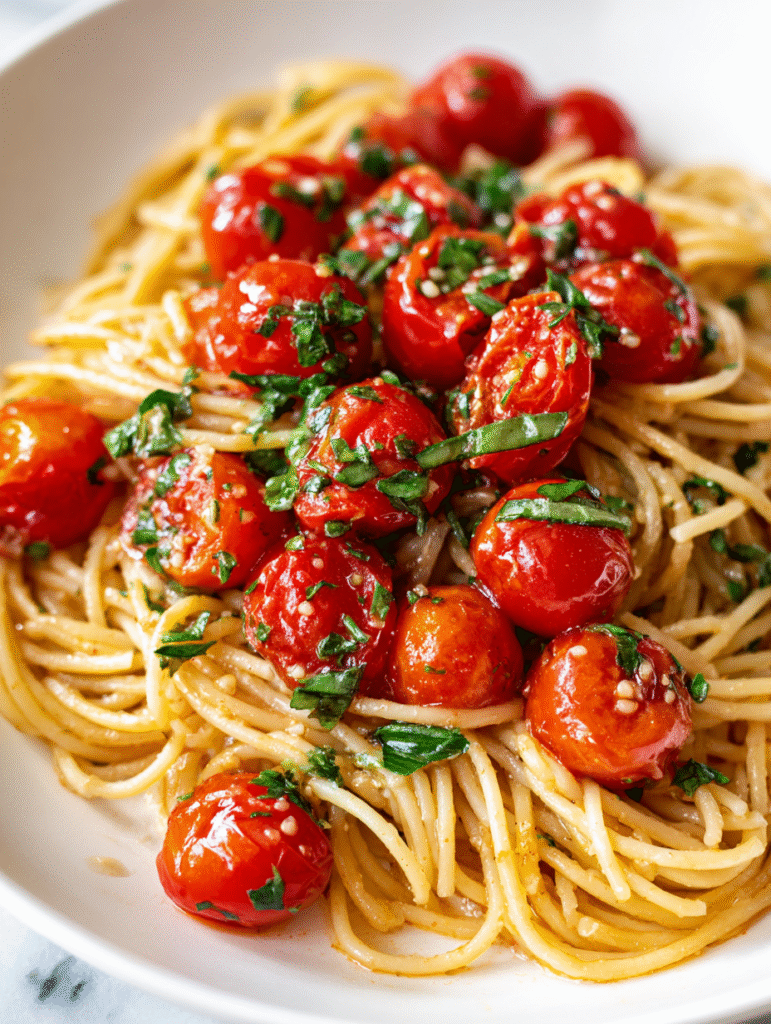
This recipe started as a quest to get the balance right—acidity and sweetness, all in a simple vegan pasta. I used to overlook how much the little things matter: a splash of lemon juice, a pinch of sugar, can turn a basic sauce into something memorable. It’s honest work, really, but those tiny tweaks make all the difference.
There’s a kind of magic in coaxing out the bright, juicy flavors of vine-ripened tomatoes and fresh basil. I love how this dish feels like a snapshot of summer, even in winter. It’s humble, yes, but when you get that perfect harmony of tart and sweet, it’s hard not to smile at how simple ingredients can surprise you.
Focusing on the overlooked art of balancing acidity and sweetness in a simple vegan tomato basil pasta, emphasizing how these contrasts can elevate humble ingredients into a memorable dish.
The story behind this recipe
- This dish was born out of a summer trip to Italy, where I watched a local cook toss ripe tomatoes and fragrant basil into a simple pasta. The way they balanced bright acidity with a touch of sweetness stuck with me, and I’ve been chasing that perfect harmony ever since.
- One evening, I was feeling nostalgic for those carefree days wandering through open markets, smell of basil and tomato filling the air. I realized I could recreate that feeling with just a handful of ingredients and a little patience in my own kitchen.
- Over the years, I’ve tweaked the recipe to suit what I have on hand—sometimes a splash of balsamic for depth, sometimes a pinch of sugar to mellow the acidity. It’s a humble dish, but one that reminds me of the simple joy of good food and fresh ingredients.
Ingredient breakdown: key components
- Roma tomatoes: I love how their firm flesh and vibrant red color promise a sweet, juicy bite. Use ripe ones for that oomph of tomato flavor—skip mealy or underripe varieties.
- Fresh basil: The aromatic punch of basil is what makes this dish sing. Gently tear the leaves to release more fragrance—don’t chop, or you’ll lose that fragrant oil.
- Garlic: I prefer finely minced garlic for even distribution. When it hits the hot oil, it crackles and turns a light golden—watch it closely to avoid bitter notes.
- Olive oil: A good drizzle adds richness and depth. I use a fruity, peppery extra virgin—if you’re out, a neutral oil will do, but don’t expect the same lushness.
- Lemon juice: Brightens everything up with a clean, zesty kick. Freshly squeezed is best—skip the bottled stuff unless it’s really fresh, or the sauce can fall flat.
- Salt & pepper: Essential for balancing acidity and sweetness. Be generous but taste as you go—over-salting can mask the delicate tomato flavors.
- Pasta: I opt for a sturdy spaghetti or linguine. Cook it al dente, then toss immediately—starchy pasta water helps everything come together smoothly.
Spotlight on key ingredients
Roma tomatoes:
- I love how their firm flesh and vibrant red color promise a sweet, juicy bite. Use ripe ones for that oomph of tomato flavor—skip mealy or underripe varieties.
- Fresh basil: The aromatic punch of basil is what makes this dish sing. Gently tear the leaves to release more fragrance—don’t chop, or you’ll lose that fragrant oil.
- Garlic: I prefer finely minced garlic for even distribution. When it hits the hot oil, it crackles and turns a light golden—watch it closely to avoid bitter notes.
Fresh basil:
- The aromatic punch of basil is what makes this dish sing. Gently tear the leaves to release more fragrance—don’t chop, or you’ll lose that fragrant oil.
- Olive oil: A good drizzle adds richness and depth. I use a fruity, peppery extra virgin—if you’re out, a neutral oil will do, but don’t expect the same lushness.
Notes for ingredient swaps
- Vegan Cheese: Nutritional yeast adds a cheesy, umami flavor without dairy—skip if you want pure tomato and basil focus.
- Pasta Type: Whole wheat or gluten-free options work—they might add nuttiness or slightly different texture, but still tasty.
- Fresh Basil: Dried basil can be used in a pinch, but it’s less fragrant and vibrant—add early to maximize flavor.
- Olive Oil: Avocado oil offers a milder, buttery note—use it if you prefer a softer, less peppery finish.
- Lemon Juice: Lime juice gives a slightly different citrus punch—great for a more tropical twist or if that’s what’s on hand.
- Sugar: Maple syrup can mellow acidity with a richer sweetness—use sparingly to keep balance.
- Tomatoes: Canned diced tomatoes work well when fresh are out of season—just drain excess liquid and adjust cooking time.
Equipment & Tools
- Large skillet: Cook the tomato sauce evenly.
- Pot for boiling pasta: Cook pasta to al dente.
- Wooden spoon: Stir and combine ingredients without scratching pans.
- Cutting board and sharp knife: Dice tomatoes and mince garlic efficiently.
Step-by-step guide to vegan pasta
- Gather all equipment: a large skillet, a wooden spoon, a pot for pasta, and a cutting board with a sharp knife. Fill the pot with water, add a generous pinch of salt, and bring to a rolling boil at 100°C (212°F).
- While waiting, dice the roma tomatoes into small, juicy chunks. Tear fresh basil leaves gently—don’t chop—preserve the oils and aroma. Mince 2 garlic cloves finely, aiming for tiny, even pieces.
- Heat 2 tablespoons of olive oil in the skillet over medium heat (about 160°C/320°F). When shimmering, add garlic. Cook for 30 seconds until fragrant and slightly golden—listen for a gentle crackle. If it browns too quickly, lower the heat.
- Add the diced tomatoes to the skillet. Stir and cook for 5-7 minutes until they soften, release juices, and the mixture becomes fragrant with a slightly thickened appearance. Adjust heat if tomatoes start to burn or stick.
- While sauce simmers, cook pasta in boiling salted water until al dente (about 8 minutes). Reserve a cup of starchy pasta water before draining. Drain the pasta and set aside.
- Pour the cooked pasta into the skillet with the tomato mixture. Toss well to coat, adding a splash of reserved pasta water if needed. Squeeze fresh lemon juice (about 1 tablespoon) over for brightness and stir to combine.
- Taste and season with salt and pepper. Add basil leaves last, tossing gently to release their fragrance. The basil should wilt slightly but remain vibrant green.
- Transfer to serving bowls immediately. Rest for 2 minutes to let flavors meld. Finish with a drizzle of olive oil, more basil if desired, and a quick grind of black pepper.
- Check the dish: the sauce should cling to the pasta, the basil fragrant and vibrant, and the flavors balanced between acidity and sweetness. Serve hot.
Serve immediately in warmed bowls. Drizzle with a little olive oil, garnish with fresh basil if desired. Let rest for 2 minutes to enhance flavor melding before enjoying.
How to Know It’s Done
- Tomatoes are soft and juicy with fragrant aroma.
- Pasta is tender but still firm to bite (al dente).
- Sauce is glossy, coats pasta evenly, with fresh basil visible.
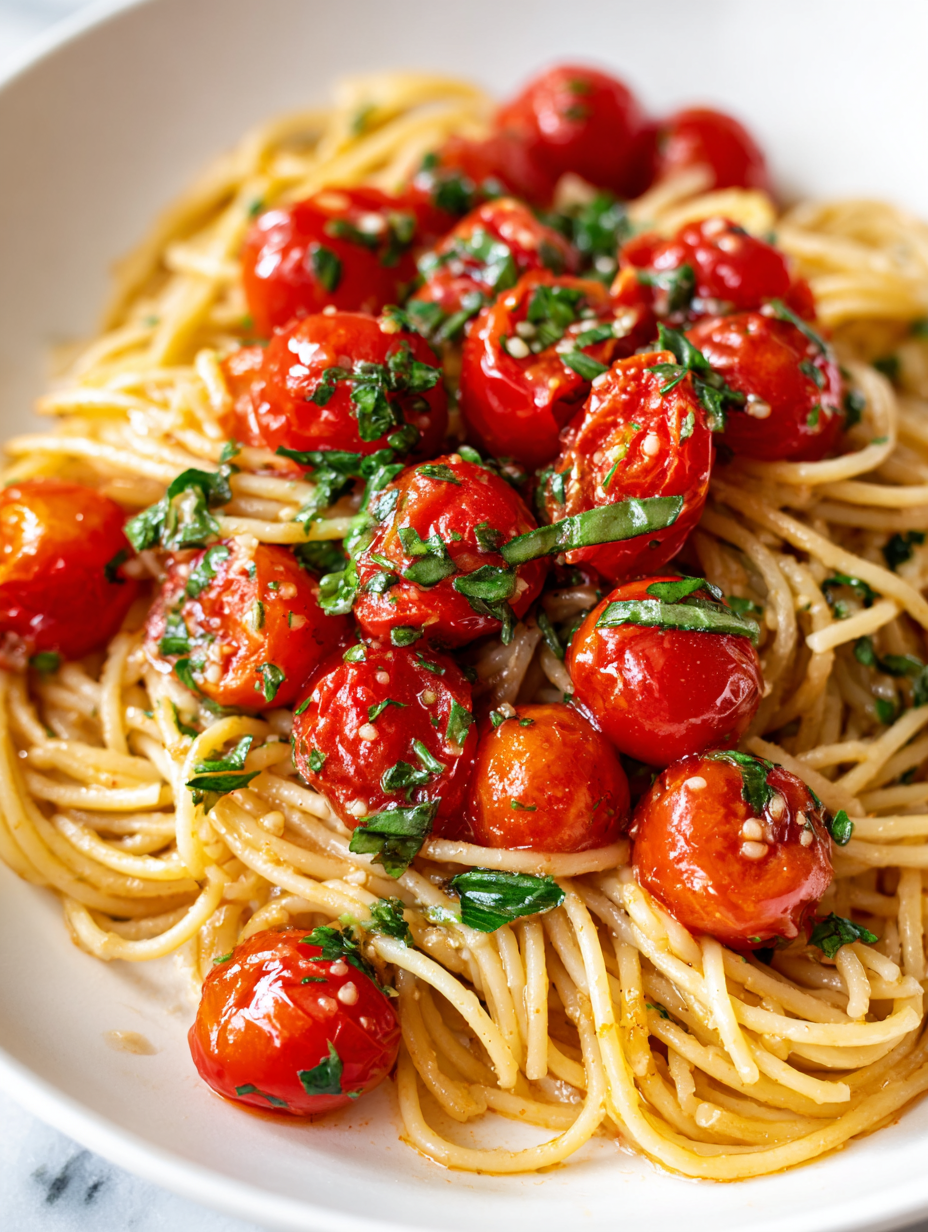
Vegan Tomato Basil Pasta
Ingredients
Equipment
Method
- Bring a large pot of salted water to a rolling boil. Add the pasta and cook until just al dente, about 8 minutes, then drain, reserving a cup of starchy water.
- Meanwhile, heat the olive oil in a large skillet over medium heat until shimmering and fragrant.
- Add the minced garlic to the skillet and cook for about 30 seconds until it crackles lightly and turns a pale golden color. Be careful not to burn it.
- Add the diced tomatoes to the skillet and stir. Cook for 5-7 minutes, allowing the tomatoes to soften and release their juices, creating a fragrant, slightly thickened sauce.
- Stir in the lemon juice, balancing the acidity with a bright, zesty note. Taste and season with salt and pepper as needed.
- Once the pasta is cooked and drained, add it directly to the skillet with the tomato sauce. Toss well to coat the noodles evenly, adding a splash of the reserved pasta water if the sauce needs loosening or extra cling.
- Gently tear the fresh basil leaves and fold them into the pasta, allowing their aroma to infuse the dish. Turn off the heat and give everything a final toss.
- Serve immediately in warm bowls, garnished with additional basil if desired. Drizzle with a little extra olive oil for shine and richness.
Pro tips for vegan pasta
- Bolded mini-head: Use ripe tomatoes for maximum juice and sweetness—firm but yielding when gently pressed.
- Bolded mini-head: Tear basil leaves instead of chopping—releases more fragrant oils into the sauce.
- Bolded mini-head: Mince garlic finely and add early—listen for a gentle crackle and remove from heat if it browns too quickly.
- Bolded mini-head: Drizzle olive oil at the end for a shiny, rich finish—use a fruity extra virgin if possible.
- Bolded mini-head: Reserve a cup of pasta water—starchy and helps sauce cling perfectly to the noodles.
- Bolded mini-head: Taste and adjust acidity with lemon juice last—brightens the dish without overpowering.
- Bolded mini-head: Toss in basil last—wilts slightly but retains vibrant aroma and flavor.
Common mistakes and how to fix them
- FORGOT to check pasta doneness → Always taste for al dente texture.
- DUMPED too much salt → Adjust seasoning gradually, taste frequently.
- OVER-TORCHED garlic → Lower heat immediately to prevent bitterness.
- MISSED to reserve pasta water → Save some to help sauce cling better.
Quick fixes and pantry swaps
- When sauce is too acidic, splash in a pinch of sugar to tame the tang.
- If pasta sticks, rinse briefly with warm water and toss with a drizzle of olive oil.
- Splash a bit of water or broth if sauce thickens too much—stir until smooth.
- Patch a broken sauce by whisking in a teaspoon of cornstarch slurry—then simmer gently.
- Shield burnt garlic by removing from heat immediately and start with fresh garlic next time.
Prep, store, and reheat tips
- Prep the tomato and basil mixture up to a day ahead. Store in an airtight container in the fridge; the fresh herb oils may fade but flavors deepen slightly overnight.
- Cook the pasta ahead of time and toss with a little olive oil to prevent sticking. Keep in the fridge for up to 24 hours. Reheat in boiling water for 30 seconds or briefly in the microwave, watching for a slight steam release and a firm bite.
- The sauce can be made in advance, stored in the fridge for 1-2 days. Reheat gently in a skillet over low heat, stirring occasionally until warmed through and fragrant again. Expect flavors to mellow slightly.
- For best flavor, add fresh basil just before serving, whether reheated or fresh. The aroma and bright green color are most vibrant when fresh.
- Avoid freezing the cooked pasta or sauce, as texture suffers and the basil can turn dull. Freshness diminishes after 2 days in storage, so plan to eat within that window for optimal sensory experience.
Top questions about vegan tomato basil pasta
1. What tomatoes work best for this pasta?
Use ripe, juicy tomatoes like roma or heirloom for the best flavor. They’re sweeter and more tender, which makes the sauce vibrant and thickens nicely.
2. Can I use dried basil instead of fresh?
Fresh basil is key—tear the leaves gently to release oils. Dried basil can be used in a pinch but won’t have the same fragrant punch.
3. Why should I save pasta water?
Reserve a cup of pasta water before draining. It’s starchy and helps the sauce cling to the noodles, making every bite flavorful.
4. When should I add lemon juice?
Add lemon juice at the end to brighten the flavors. It’s the little splash that lifts the acidity and balances the sweetness of the tomatoes.
5. How do I know when the pasta is done?
Cook the pasta until just al dente, about 8 minutes. It should be tender yet still firm to the bite, not mushy.
6. Can I skip the olive oil?
Use a good quality extra virgin olive oil for richness and depth. Drizzle a little at the end for shine and flavor.
7. How do I prevent garlic from burning?
Mince garlic finely and add it early in the pan—listen for a gentle crackle, and remove from heat if it browns too quickly.
8. What if the sauce is too sour?
Adjust acidity with a pinch of sugar if the sauce tastes too sour. It balances the tartness without masking the tomato flavor.
9. Why tear basil instead of chopping?
Tear basil leaves instead of chopping. This preserves the oils and releases more aroma when added at the end.
10. How do I reheat leftovers without losing flavor?
Reheat the sauce gently in a skillet over low heat, stirring occasionally. Add fresh basil just before serving for maximum aroma.
This pasta isn’t just about the ingredients—it’s about how they come together with a little patience and attention to detail. Each bite offers a burst of brightness, a hint of sweetness, and the fragrant punch of fresh basil. It’s a reminder that simple, honest food can still surprise and satisfy.
In this small act of cooking, I find a moment to slow down, to taste, and to appreciate the humble beauty of fresh, seasonal ingredients. No matter the season, those vibrant tomatoes and fragrant basil somehow carry a piece of summer into every plate, making each meal a quiet celebration.

Hi, I’m Clara Sage – and welcome to my kitchen of small revelations.
I created The Language of Aha not just as a recipe blog—but as a space to celebrate the little lightbulb moments that happen in the kitchen.