
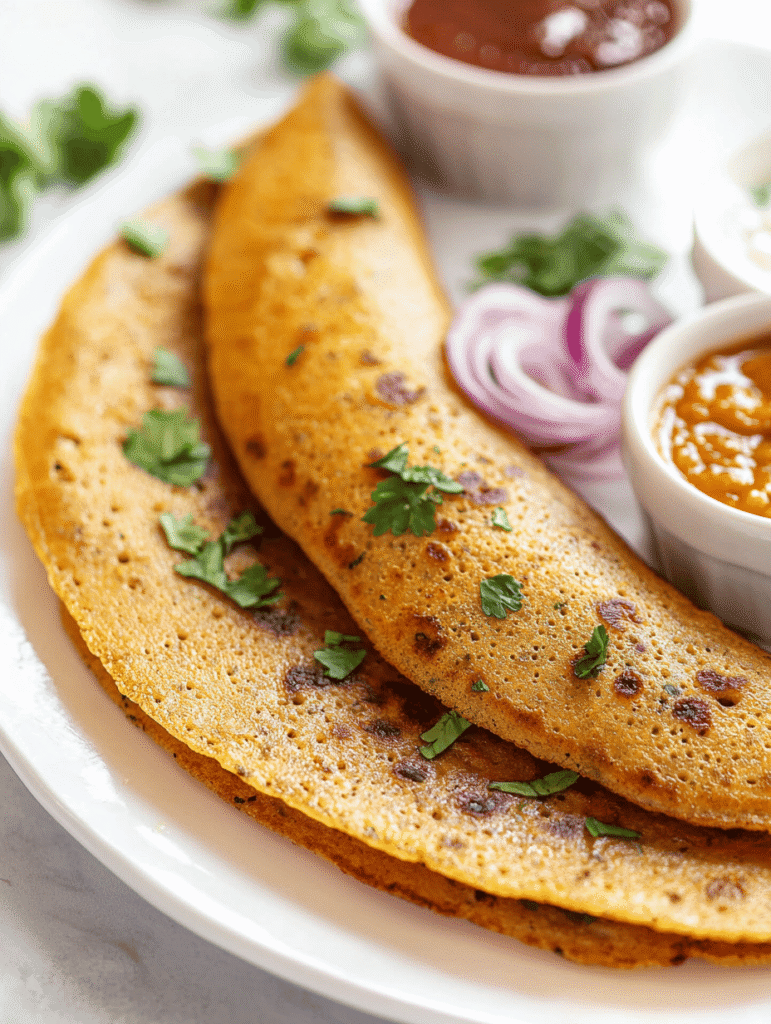
I’ve always been the type to hide vegetables in smoothies or sneak greens into my pasta. But last week, I tried making a gluten-free dosa with buckwheat flour. Turns out, it’s less about sneaking nutrients and more about losing that heavy, blindingly sticky feeling in your stomach after eating traditional dosa.
Imagine hearing that light crackle of batter frying, just enough oil to crisp the edges but never greasy. The smell of roasted buckwheat mixing with a hint of cumin. It’s strange in the best way—like discovering a secret ingredient that wasn’t really a secret at all. And right now, with so many of us trying to eat lighter or manage food sensitivities, this feels… urgent, in a good way.
Making something totally gluten-free that actually feels like a real dosa? It’s a small rebellion. A quiet way to keep tradition, but not feel chained to it. Sometimes, I think that’s what I love the most—how a little experimentation turns into something kind of new and unexpectedly satisfying.
Why I Love This Recipe (And You Will Too)
- It’s faster to prepare than traditional dosa, especially without soaking rice overnight.
- The crispy bits are oddly satisfying—like eating a smartly crispy chip mixed into breakfast.
- It’s perfect for mornings when I want something quick, but still crave that familiar, comforting crunch.
- Can be flavored endlessly—spicy, herby, even cheesy if you want.
- It’s made my weekday breakfasts feel less boring, which is a win in my book.
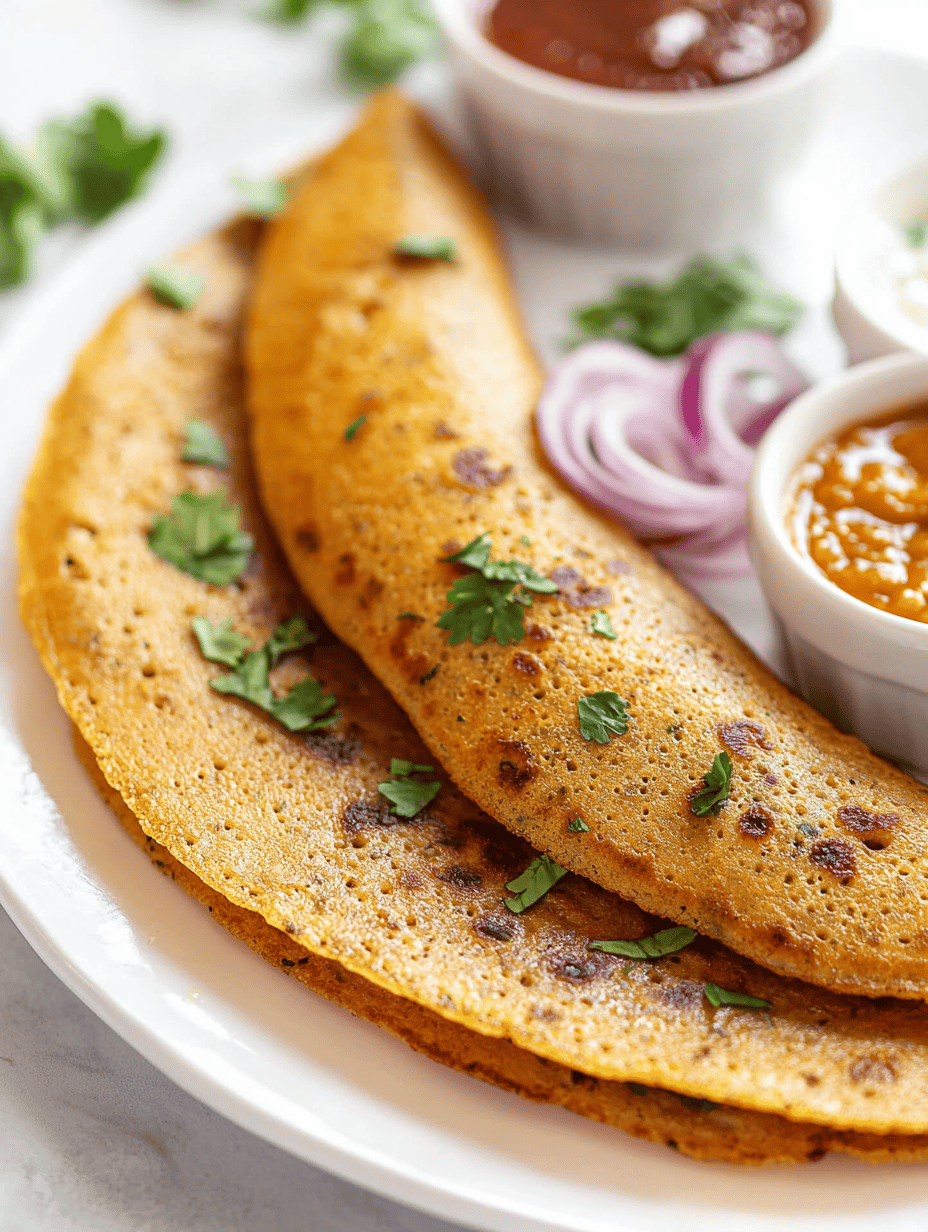
Buckwheat Dosa
Ingredients
Equipment
Method
- Place the buckwheat flour in a mixing bowl and whisk in water until the batter is smooth and slightly runny, similar to pancake batter. Let it rest for 5 minutes to allow the flour to hydrate fully.
- Stir in salt and cumin seeds if using, and adjust water if the batter is too thick or thin. It should pour easily but not be watery.
- Heat a griddle or non-stick skillet over medium-high heat until hot. Lightly oil the surface using a paper towel or brush for a thin, even coating.
- Pour a ladleful of batter onto the skillet and quickly tilt the pan in a circular motion to spread it into a thin, even layer.
- Cook until the edges of the dosa lift slightly and the bottom is golden brown with visible crispness, about 2-3 minutes. You should hear a gentle sizzling sound.
- Flip the dosa carefully with a spatula and cook for another 1-2 minutes until the second side is lightly crisped.
- Transfer the cooked dosa to a plate and repeat the process with the remaining batter, adding more oil to the skillet as needed.
- Serve the buckwheat dosas warm, folded or flat, accompanied by your favorite condiments or fresh toppings.
Notes
Honestly, I don’t think I’ll ever go back to the traditional way after this. Plus, it’s a relief knowing I can still get that crispy edge even when gluten’s out of the picture. Anyway, that’s the experiment for today—next up, maybe a sweet version… who knows. Sometimes, the best recipes are the ones that surprise you mid-creation and then stick around for good.

Hi, I’m Clara Sage – and welcome to my kitchen of small revelations.
I created The Language of Aha not just as a recipe blog—but as a space to celebrate the little lightbulb moments that happen in the kitchen.