
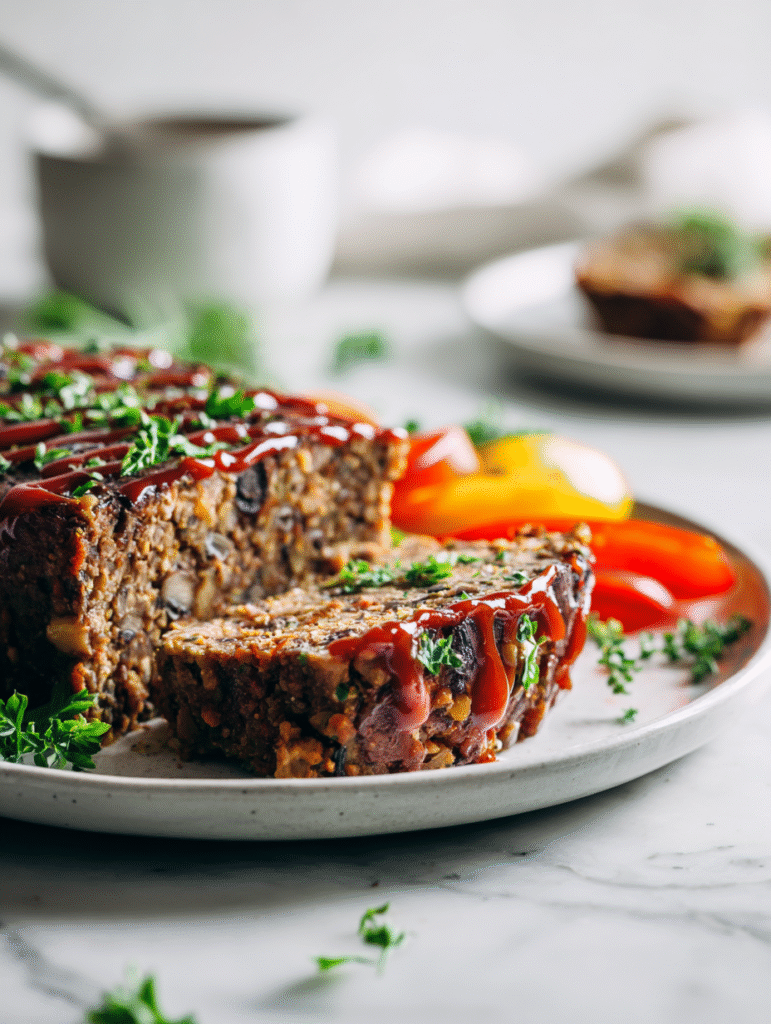
This vegan meatloaf is my twist on a childhood comfort food, but with a vibrant, vegetable-packed punch that surprises every bite. It’s a reminder that plant-based dishes can be hearty and satisfying, not just light or plain. I love how the aroma of roasted garlic and smoky spices fills the kitchen, making even the skeptics curious.
Growing up, meatloaf was always a Sunday dinner staple, wrapped in foil and sliced warm from the oven. Swapping out the meat for lentils, mushrooms, and a handful of unexpected ingredients, I found a new way to enjoy that nostalgic flavor while keeping it completely vegan. It’s not just a meal; it’s a little piece of comfort that’s easy to make and even easier to love.
Focusing on the nostalgic comfort of a classic meatloaf but reimagined with vibrant, unexpected plant-based ingredients that surprise your palate and challenge the idea that vegan meals have to be bland or boring.
Reimagining Comfort Food
- This dish takes me back to Sunday dinners at my grandmother’s house, where the smell of baked meatloaf would fill the whole neighborhood.
- I get a little proud every time I serve this and watch skeptics take that first bite, surprised by how rich and satisfying it is.
- There’s a quiet joy in knowing I can enjoy something hearty and familiar without sacrificing my plant-based values.
- Sometimes I feel a rush of nostalgia, remembering how my mom used to make meatloaf with that perfect crispy crust — now I just get to recreate it vegan-style with a smoky edge.
- It’s a relief to have a reliable, crowd-pleasing recipe that works for both my vegan friends and the non-vegans who visit.
The story behind this recipe
- This vegan meatloaf came from a kitchen experiment after reading a lot of plant-based comfort food stories. I wanted something that felt familiar—like Sunday dinner—but packed with unexpected flavors that make you sit up and take notice. The smoky paprika, the umami from mushrooms, the hearty lentils—these came together after a few failed attempts, but now it’s a staple on my table.
- One chilly evening, I was craving something warm and filling, but I didn’t want to settle for the usual. I threw together what I had: lentils, oats, mushrooms, and a splash of soy sauce for that savory kick. As it baked, the smell of roasted garlic and thyme filled the house, and I realized I’d stumbled onto something special. That moment of surprise—when the kitchen fills with a smell that’s both nostalgic and new—kept me coming back to perfect this recipe.
- heading: ‘The story behind this recipe’
Vegan Meatloaf Trivia
- Vegan meatloaf recipes gained popularity in the early 2000s as part of the plant-based movement, aiming to replicate familiar comfort foods.
- This dish often draws inspiration from traditional meatloaf, but with a focus on umami-rich mushrooms and lentils to mimic the texture and flavor.
- In some regions, vegan meatloaf became a staple during the rise of cruelty-free and sustainable eating trends, symbolizing a bridge between nostalgia and ethics.
Key Ingredients Breakdown
- Lentils: I prefer brown or green lentils—they hold shape well and add a hearty texture. Skip them if you want a softer loaf, but they’re the backbone of the chewiness.
- Mushrooms: I use a mix of cremini and shiitake for depth and umami that really lingers on the tongue. Make sure they’re chopped small enough to blend in smoothly; big chunks can be distracting.
- Oats: Old-fashioned rolled oats give structure without making it dense. If you’re avoiding gluten, opt for certified gluten-free oats, but keep an eye on moisture—add a splash more water if it feels dry.
- Tomato paste: It adds a rich, sweet acidity and helps bind everything together. If you’re out, a splash of ketchup or barbecue sauce works, but it’ll be a bit sweeter.
- Smoked paprika: This is what gives the loaf its smoky, almost bacon-like flavor. Use regular paprika if you want less smoky punch, but don’t skip it—it’s key to the flavor profile.
- Flaxseed meal: I mix ground flax with water to replace eggs—adds a slight nuttiness and helps everything hold. Skip if you have an allergy, but consider a mashed banana for a different kind of binding.
- Soy sauce: A splash for depth and that savory umami hit. If soy’s not your thing, tamari or coconut aminos are good swaps, though they bring slightly different saltiness.
Spotlight on Key Ingredients
Mushrooms:
- I love cremini and shiitake—they release a savory, umami aroma as they cook, turning dark and slightly crispy at the edges. They add that meaty depth everyone notices.
- Lentils: I prefer brown or green—they keep their shape and give the loaf a chewy bite. When cooked, they become tender but still hold texture, providing a hearty foundation.
Oats and Tomato Paste:
- Oats: Rolled oats absorb moisture and help bind everything together. When baked, they turn lightly toasted and nutty, giving the loaf a slight chew and structure.
- Tomato paste: It’s rich and slightly sweet, with a tangy brightness that balances the smoky spices. It helps everything stick, and during baking, it deepens to a glossy, savory glaze.
Notes for ingredient swaps
- Dairy-Free: Nut-based milk like almond or cashew milk can replace soy milk. They add a slightly nutty flavor but keep the texture light.
- Gluten-Free: Use gluten-free oats instead of regular oats. The loaf might be a bit more fragile but still tasty.
- Umami Boost: Coconut aminos or miso paste can substitute soy sauce. They bring a different depth but maintain saltiness.
- Smoked Flavor: Chipotle powder or smoked paprika can replace smoked paprika. They add smoky notes with a bit of heat or richness.
- Binder: Mashed banana or applesauce can stand in for flaxseed meal. They add sweetness and moisture but might alter the savory profile slightly.
- Vegetables: Finely grated zucchini or carrot can replace some mushrooms or onions. They add moisture and sweetness but soften the overall texture.
- Grains: Quinoa or cooked rice can replace oats for a different bite. They make the loaf a little more tender and light.
Equipment & Tools
- Large skillet: To sauté vegetables and mushrooms for flavor development.
- Food processor: To finely chop mushrooms and blend ingredients evenly.
- Loaf pan: To shape and bake the meatloaf uniformly.
- Mixing bowls: To combine ingredients thoroughly.
- Measuring spoons and cups: To accurately measure ingredients for consistency.
- Oven thermometer (optional): To ensure precise baking temperature.
Step-by-step guide to vegan meatloaf
- Preheat your oven to 180°C (350°F). Grease a standard loaf pan or line it with parchment paper for easy removal.
- In a large skillet over medium heat, add a drizzle of oil. Sauté finely chopped onions and grated carrots until soft and fragrant, about 5 minutes. Set aside to cool slightly.
- In a food processor, pulse the mushrooms until finely chopped but not pureed. Transfer to a large mixing bowl.
- Add cooked lentils, sautéed vegetables, rolled oats, tomato paste, smoked paprika, ground flaxseed mixture (flaxseed meal + water), soy sauce, chopped herbs, salt, and pepper to the bowl. Mix thoroughly until well combined. If the mixture feels too dry, add a splash of water or vegetable broth.
- Shape the mixture into a loaf in the prepared pan or freehand on a baking sheet if you prefer a rustic look. Press down firmly to ensure it holds together.
- Bake for 45-50 minutes. The top should be golden and slightly crispy. During baking, the aroma of smoked paprika and roasted garlic will fill your kitchen.
- Check the loaf at 45 minutes. It should hold its shape when sliced but still be moist inside. If it’s cracking excessively or looks dry, cover loosely with foil and bake for an additional 5-10 minutes.
- Remove from oven and let rest for at least 10 minutes before slicing. Resting helps the loaf firm up and makes slicing easier.
- Slice and serve with your favorite vegan gravy or a simple tomato sauce. For best flavor, enjoy within 2 days or freeze leftovers for later.
- Reheat slices in the oven at 180°C (350°F) for 10-15 minutes until warmed through. The loaf should be tender, with a slightly smoky aroma.
Allow the meatloaf to rest for at least 10 minutes on a wire rack before slicing. This helps it set and makes cutting cleaner. Serve warm, with sides or a drizzle of vegan gravy. For presentation, slice thick and arrange neatly on a platter.
How to Know It’s Done
- Crust is golden and firm to touch.
- Center registers 75°C (165°F) on a probe thermometer.
- Sliced loaf holds shape without crumbling.
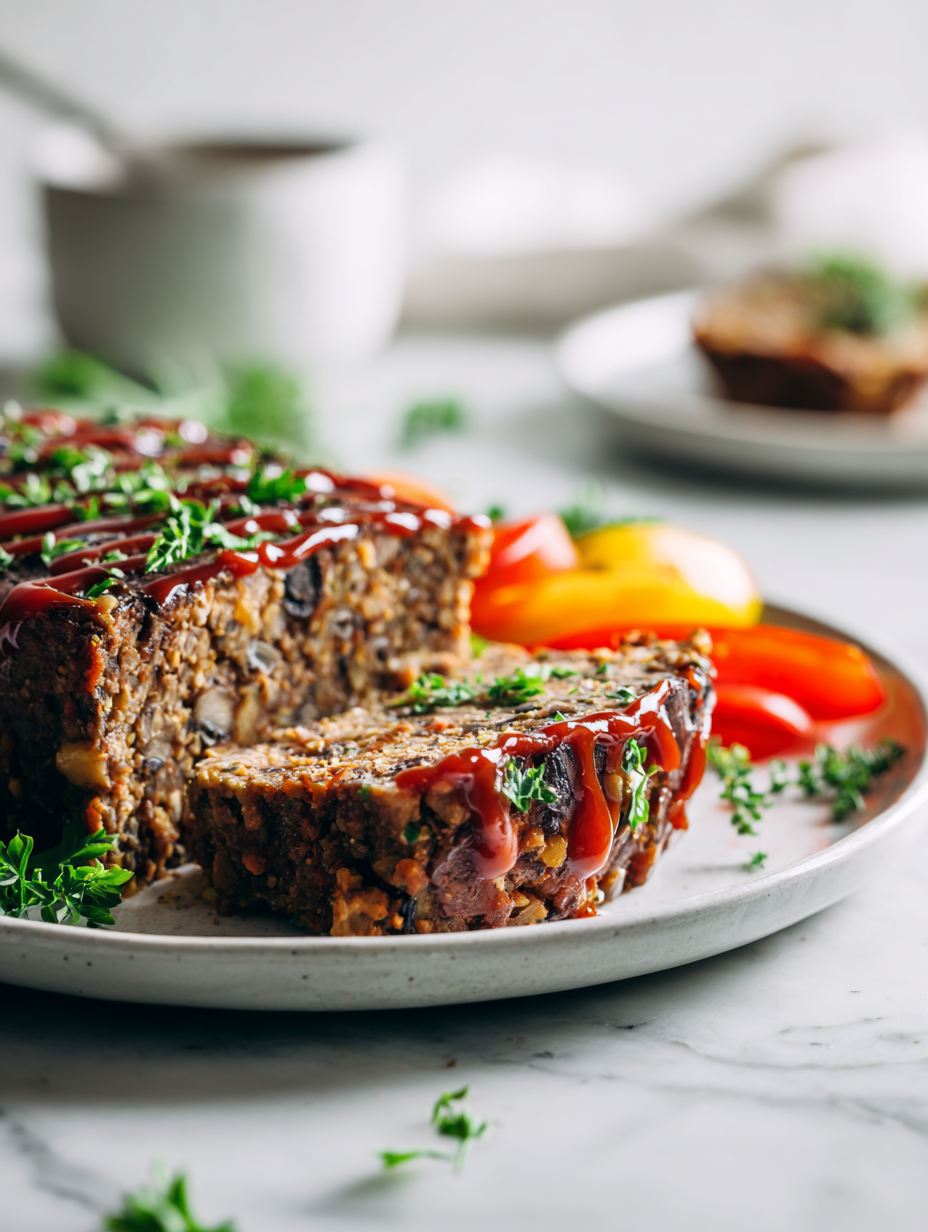
Vegan Lentil & Mushroom Meatloaf
Ingredients
Equipment
Method
- Preheat your oven to 180°C (350°F). Lightly grease a loaf pan or line it with parchment paper.
- In a skillet, heat olive oil over medium heat. Add the chopped onion, grated carrot, and minced garlic, sautéing until the vegetables are soft and fragrant, about 5 minutes. The onions should be translucent and slightly caramelized.
- Meanwhile, in a food processor, pulse the mushrooms until finely chopped, resembling a minced texture. Transfer them to a large mixing bowl.
- Add the cooked lentils, sautéed vegetables, rolled oats, tomato paste, smoked paprika, ground flaxseed mixture, soy sauce, and a pinch of salt and pepper to the bowl with the mushrooms. Mix everything thoroughly until well combined and sticky—use your hands or a sturdy spoon.
- Shape the mixture into a loaf shape and place it into your prepared loaf pan. Press down firmly to ensure it holds together nicely.
- Bake in the oven for 45-50 minutes, until the top is golden and slightly crispy. You’ll notice a rich, savory aroma filling your kitchen as it bakes.
- Remove the loaf from the oven and let it rest for at least 10 minutes. This resting period helps the loaf set and makes slicing easier.
- Slice the loaf thickly and serve warm, perhaps with vegan gravy or your favorite sauce. The slices should hold their shape but remain tender inside, with a smoky, savory flavor.
Pro tips for perfect vegan meatloaf
- Bold flavors: Toast the oats lightly in the oven for 5 minutes at 180°C (350°F) to enhance their nutty aroma.
- Texture check: When sautéing vegetables, look for translucent onions and slightly caramelized edges for maximum flavor.
- Mix thoroughly: Use your hands or a sturdy spoon to ensure all ingredients are well combined; this prevents gaps in the loaf.
- Baking beauty: For an even crust, rotate the loaf halfway through baking and avoid opening the oven door too often.
- Rest well: Let the loaf sit for at least 10 minutes after baking; this helps it firm up for cleaner slices.
- Moisture tweak: If the mixture feels dry before shaping, add a splash of vegetable broth or water to loosen it up.
- Flavor boost: Brush the top with a little olive oil or plant-based glaze in the last 10 minutes for a shiny, crispy crust.
Common mistakes and how to fix them
- FORGOT to preheat the oven → Always heat oven before starting.
- DUMPED ingredients without mixing → Mix thoroughly to combine all flavors evenly.
- OVER-TORCHED the loaf → Cover loosely with foil if browning too fast.
- SKIPPED resting time → Rest for at least 10 minutes for clean slices.
Quick Fixes and Pantry Swaps
- If the loaf cracks, cover with foil and bake an extra 5 minutes to soften the crust.
- When mixture feels too dry, splash a little vegetable broth or water to loosen it up.
- Splash soy sauce or tamari for an umami boost if the flavor feels dull.
- Patch over uneven browning by tenting with foil if the top darkens too quickly.
- Shield the loaf with foil if the edges are over-torched during baking.
Prep, store, and reheat tips
- Prepare the mixture up to a day in advance; keep it covered in the fridge to develop deeper flavors and meld spices. Expect the texture to firm slightly overnight.
- Bake the loaf ahead of time; once cooled, wrap tightly in foil or store in an airtight container. It will keep fresh in the fridge for up to 3 days, with flavors mellowing slightly but still satisfying.
- Reheat slices in the oven at 180°C (350°F) for 10-15 minutes until warm and fragrant. The loaf should be moist, with a smoky aroma that rekindles the comfort of freshly baked.
- For longer storage, freeze the fully cooled loaf wrapped in plastic wrap and then foil. It will stay good for up to 3 months. Thaw in the fridge overnight before reheating, expecting a slightly denser texture but still rich in flavor.
- Note that reheating may intensify the smoky and savory notes, so smell for that deep aroma and check for steaming to ensure it’s heated through without drying out.
Top questions about vegan meatloaf
1. Can I substitute tofu or tempeh for the lentils?
Use firm tofu or tempeh for a different texture that still holds together well. It won’t be as chewy but adds a subtle nutty flavor.
2. Can I make this gluten-free?
Yes, you can use gluten-free oats or even cooked quinoa for a light, tender loaf. Expect a slightly different bite but still delicious.
3. How can I enhance the smoky flavor?
To add a smoky flavor, sprinkle some liquid smoke or use smoked paprika generously. It creates that crave-worthy, bacon-like aroma.
4. My meatloaf is too dense, how can I fix it?
If the loaf feels too dense, add a splash more vegetable broth or use more oats. For a lighter loaf, try blending part of the oats into a finer texture.
5. Can I shape it without a loaf pan?
Bake it in a smaller loaf pan or shape it freehand on a baking sheet for a more rustic look and slightly crisp edges.
6. How do I reheat leftovers?
Reheat slices wrapped in foil in the oven at 180°C (350°F) for about 10 minutes until steamy and fragrant. It should smell smoky and look moist.
7. Can I prepare this in advance?
You can make the mixture a day ahead, cover and refrigerate. The flavors meld overnight, making it even tastier the next day.
8. My mixture is too wet or dry, what do I do?
If the mixture is too wet, add more oats or breadcrumbs. If it’s crumbly, a little more water or tomato paste helps bind it together.
9. How can I boost umami?
For a richer umami, add a teaspoon of miso paste or a splash of soy sauce to deepen the flavor. It adds a savory punch.
10. How do I know when it’s cooked properly?
Use a digital probe thermometer to ensure the internal temperature reaches 75°C (165°F). The loaf should be firm but moist inside.
This vegan meatloaf feels like a warm hug after a long day. Its smoky aroma and hearty texture bring back memories of family dinners, but with a fresh, plant-based twist that feels right for right now.
Sharing this dish with friends or leftovers makes the kitchen smell like comfort and nostalgia, with a satisfying bite that keeps you coming back for more. Sometimes, it’s the simplest things—like a well-made loaf—that remind us of the joy in everyday eating.

Hi, I’m Clara Sage – and welcome to my kitchen of small revelations.
I created The Language of Aha not just as a recipe blog—but as a space to celebrate the little lightbulb moments that happen in the kitchen.